Blog

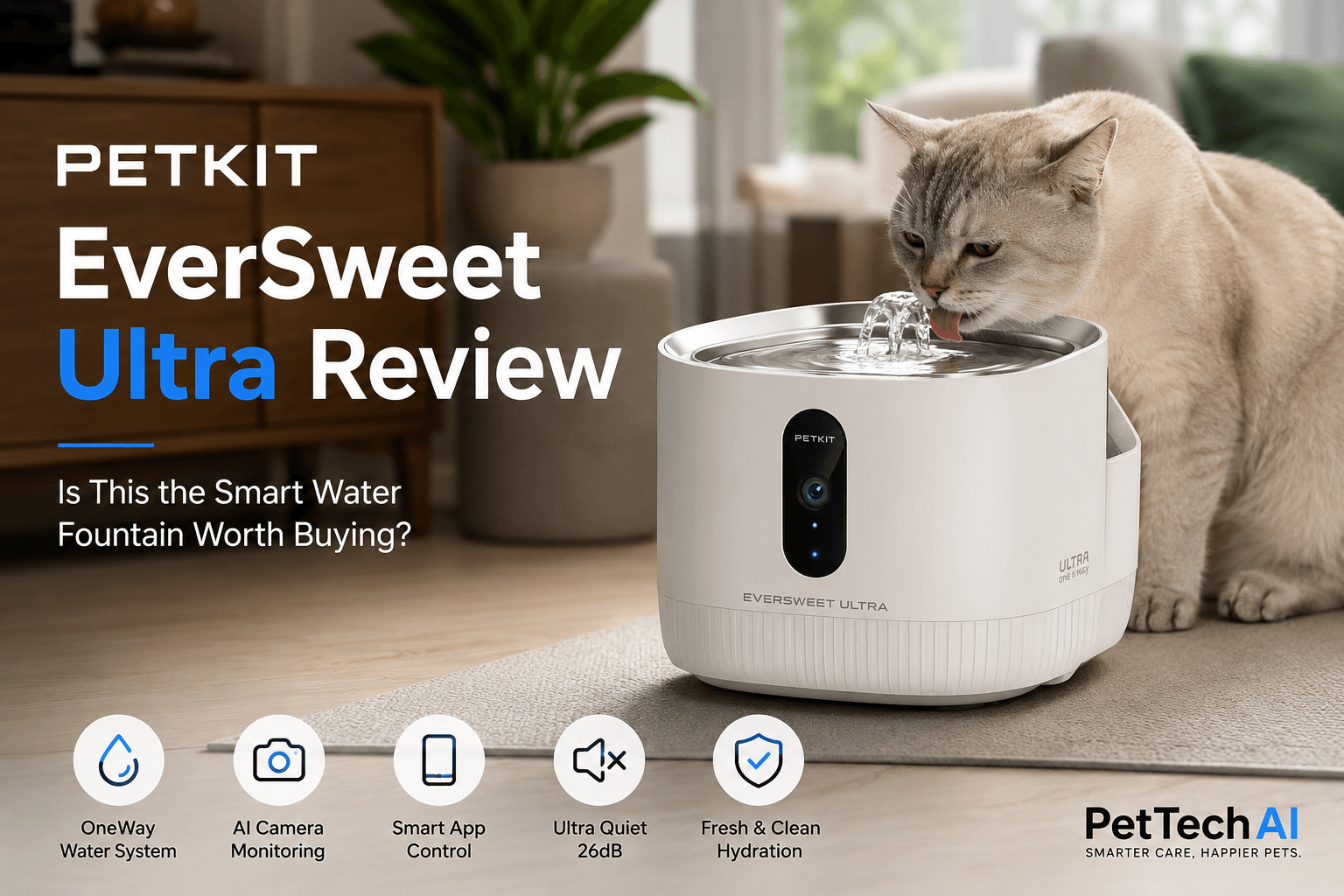
PETKIT EverSweet Ultra Review (2026): Fresh-Water Upgrade or $250 Hydration Command Center?
EverSweet Ultra separates clean and used water, identifies pets and records every drinking visit. A genuine hydration upgrade—or a $250 command center for water?

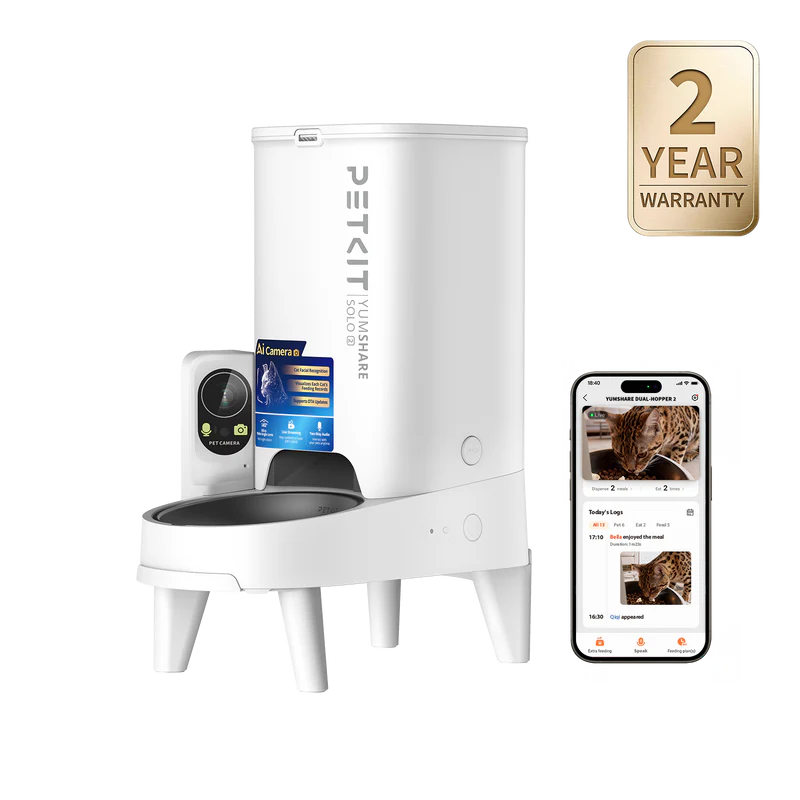
PETKIT YumShare Solo 2 Review: Useful AI or Breakfast Surveillance?
YumShare Solo 2 can identify who approached dinner, track the bowl and record the meal. Useful intelligence—or an expensive archive of your cat eating kibble?
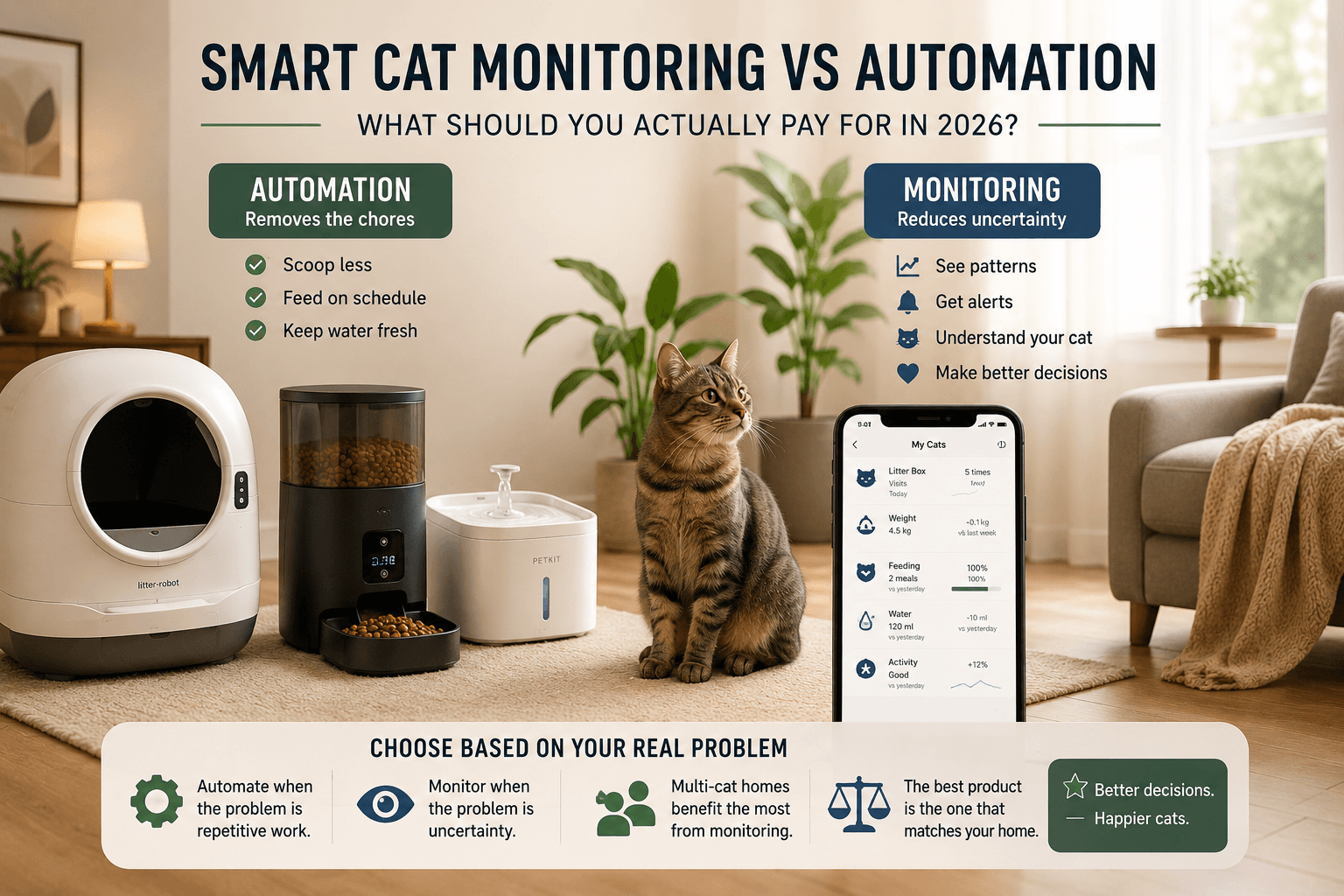
Smart Cat Monitoring vs Automation (2026): What Are You Actually Paying For?
A robot can scoop the litter. A camera can show who used it. Those are different benefits—and paying for both is pointless unless both solve a real problem.
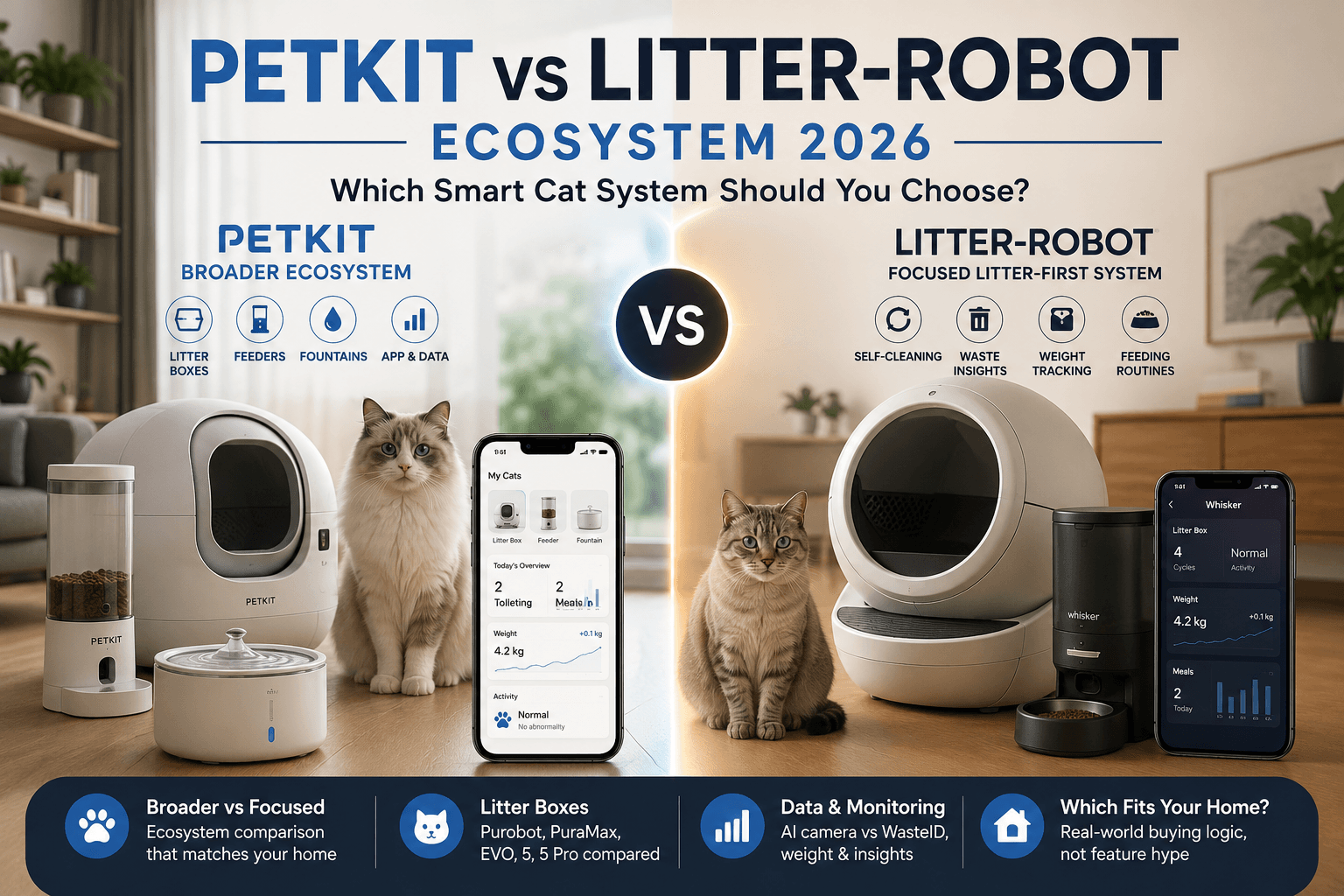
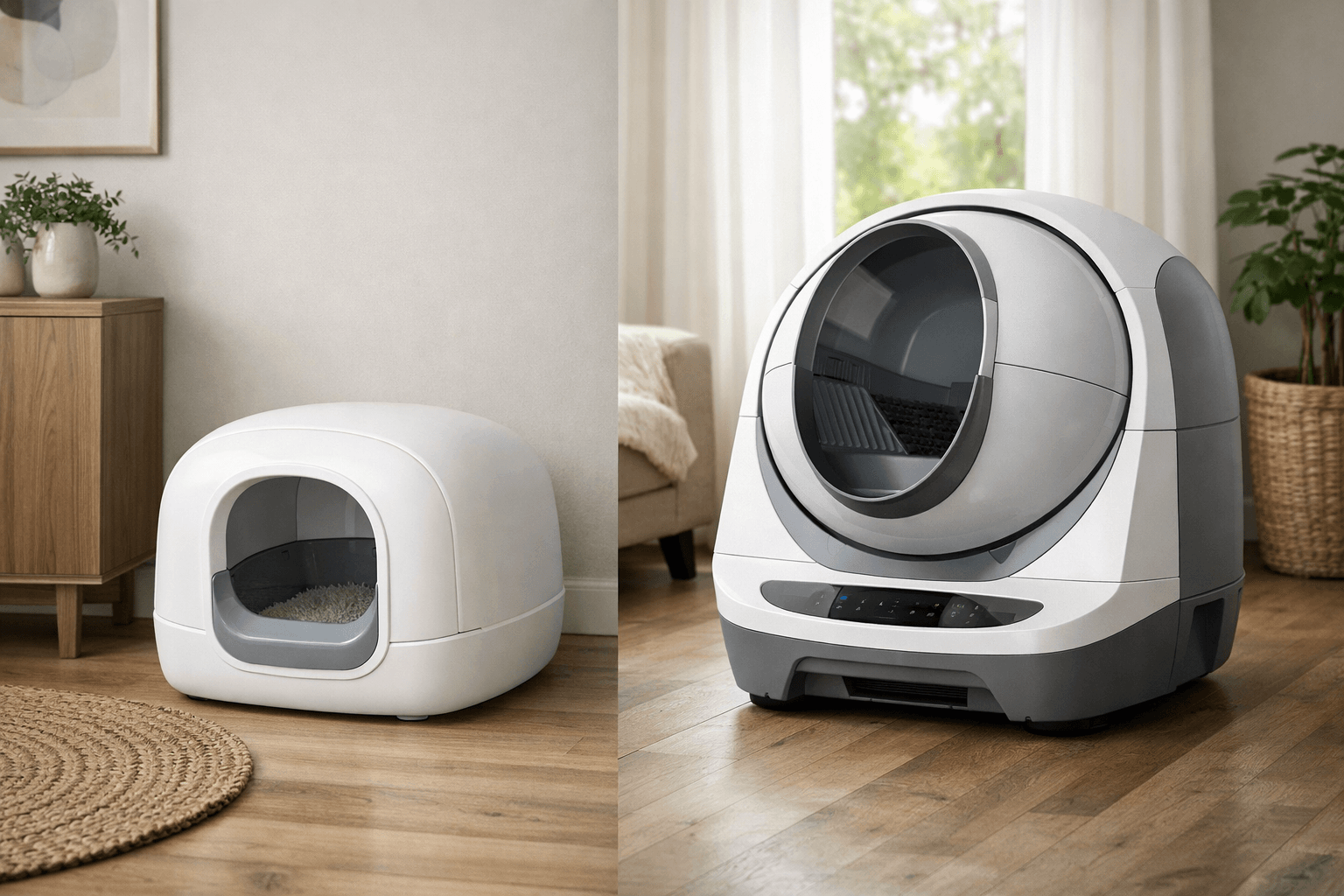
PETKIT vs Litter-Robot Ecosystem: Smart Home or Premium Litter Fortress?
PETKIT builds a broader smart-cat home, while Whisker creates a deeper premium ecosystem around litter automation. The correct choice depends on whether breadth or specialization solves more problems.
Litter-Robot 5 vs EVO (2026): What You Gain — and Lose — by Upgrading
Most people searching Litter-Robot 5 vs EVO think they are comparing an older model to a newer one. That is not the real decision. The real decision is whether you need a litter box optimized for small-space efficiency or one optimized for higher-capacity, multi-cat monitoring and headroom. Whisker itself positions Litter-Robot EVO as the most…