Affiliate Disclaimer: PetTech AI may earn a small commission if you buy through links on this page. We only recommend products that support feline safety, comfort, and long-term wellbeing.
If you’ve ever googled “why is my cat doing this?” at 2 a.m., you’re not alone. Most cat owner mistakes aren’t about being careless; they’re about missing small, boring details that matter a lot to cats: predictable routines, clean litter, safe space to play and rest, and early detection when something’s off. In 2025, the win is using light automation and better layout to make those basics effortless.
This guide distills the three cat owner mistakes we still see every day—and the exact, modern fixes (including smart tools) that reduce stress for both of you.
TL;DR (for busy humans)
- Mistake #1: Inconsistent routines (meals, litter care, play).
Fix: Automate the schedule; keep changes gradual and predictable. - Mistake #2: “Hidden” environmental stress (box too small, air quality, no vertical choice).
Fix: Right-size the litter setup, add a purifier, give safe highs and hides. - Mistake #3: Ignoring early pattern changes (food, water, litter, sleep).
Fix: Track lightly with smart devices; call your vet if trends look off for 48–72 hours.
Along the way, we’ll flag the cat owner mistakes that quietly tank litter habits, hydration, and behavior—plus simple, affordable upgrades that actually work.
Mistake #1: Inconsistent routines (and “weekend roulette”)
Why it’s a problem
Cats love patterns. When meal times jump around, the litter isn’t cleaned on a cadence, or playtime is skipped for days and then overdone, stress builds. According to the Cornell Feline Health Center and the AVMA, predictable feeding, clean toileting, and daily enrichment are foundational. Breaking those rhythms is among the most common cat owner mistakes—and the easiest to fix.
What it looks like at home
- Breakfast sometimes at 6 a.m., sometimes at 10 a.m.
- Litter scooped “whenever I remember.”
- Play sessions only on weekends (then too long, too exciting).
- Treats replacing structured meals (blood sugar roller coaster).
The smart fix (keep it boring)
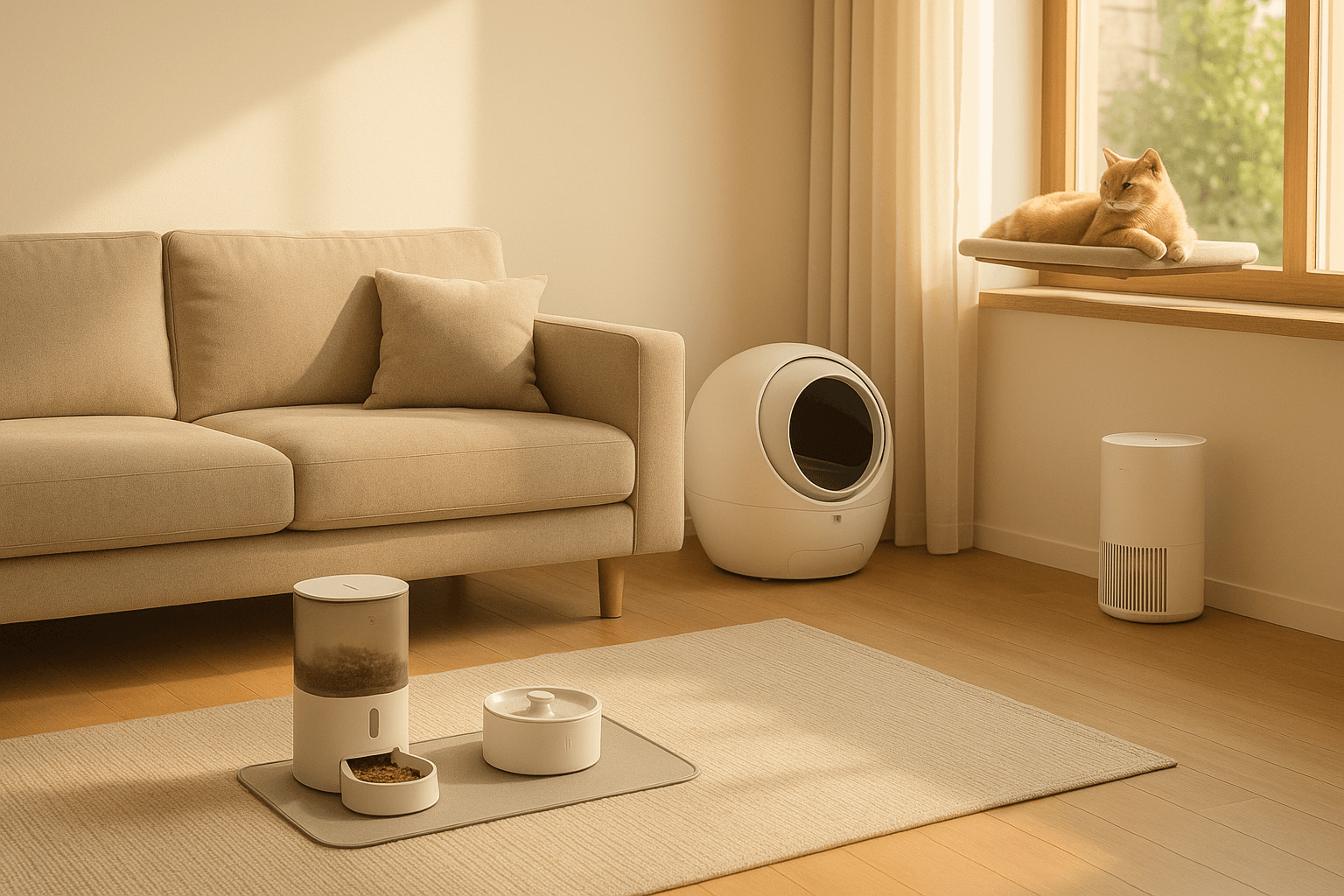
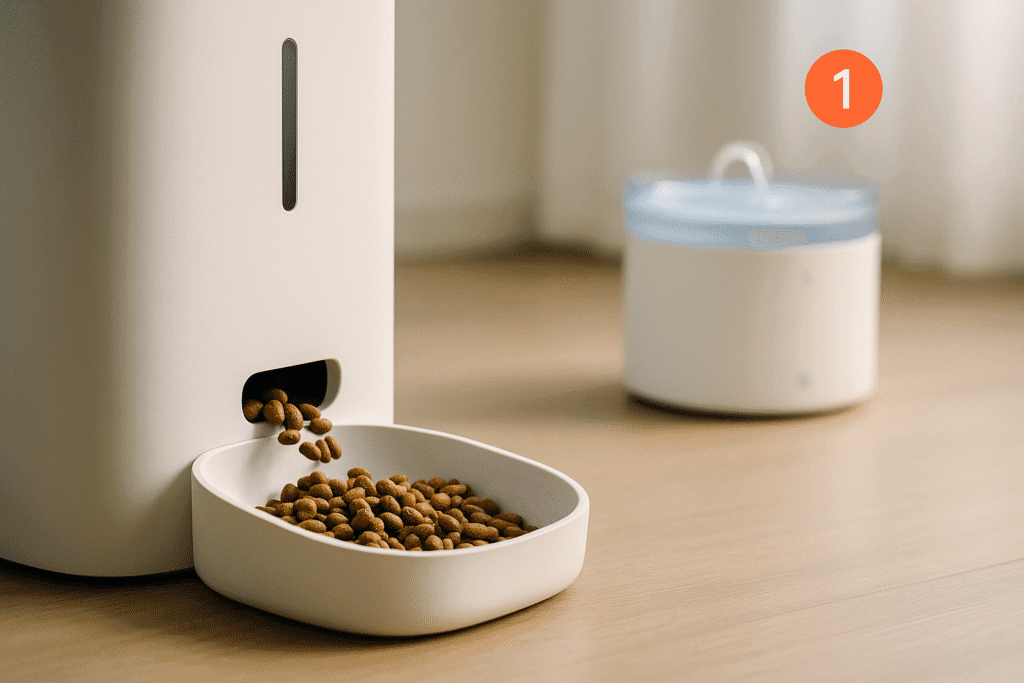
- Automate meals. Use an automatic feeder (e.g., PETKIT or Whisker Feeder-Robot) to lock timing and portion size. Start by mirroring your current schedule, then adjust slowly.
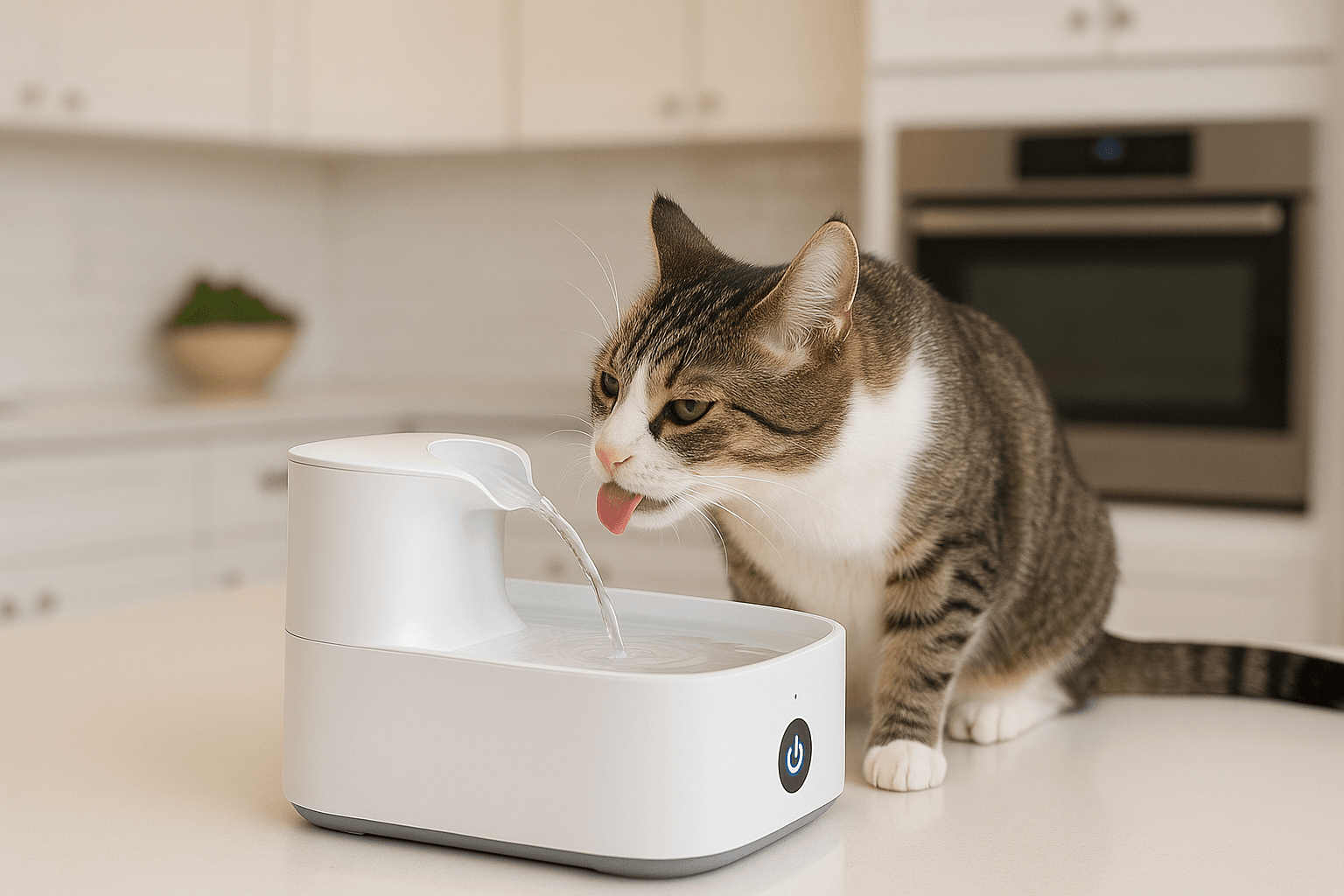
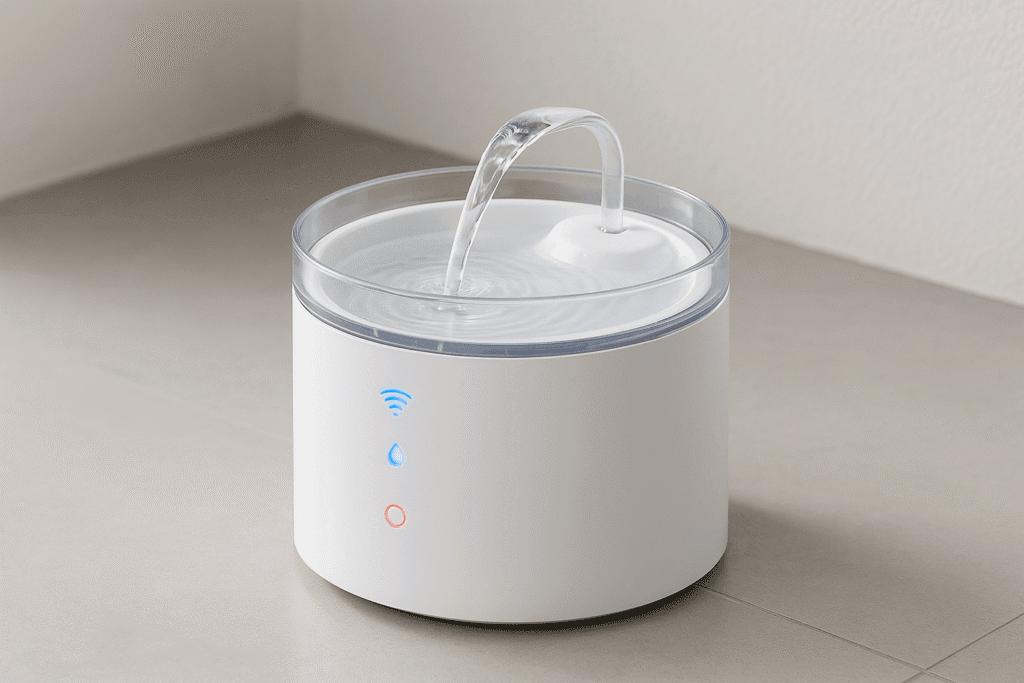
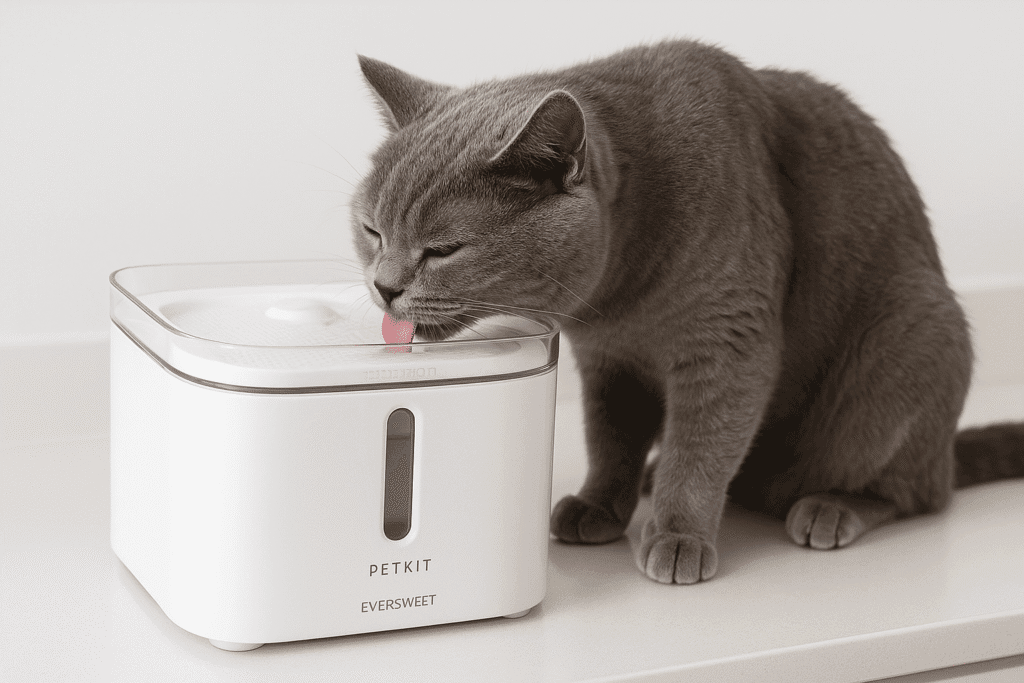
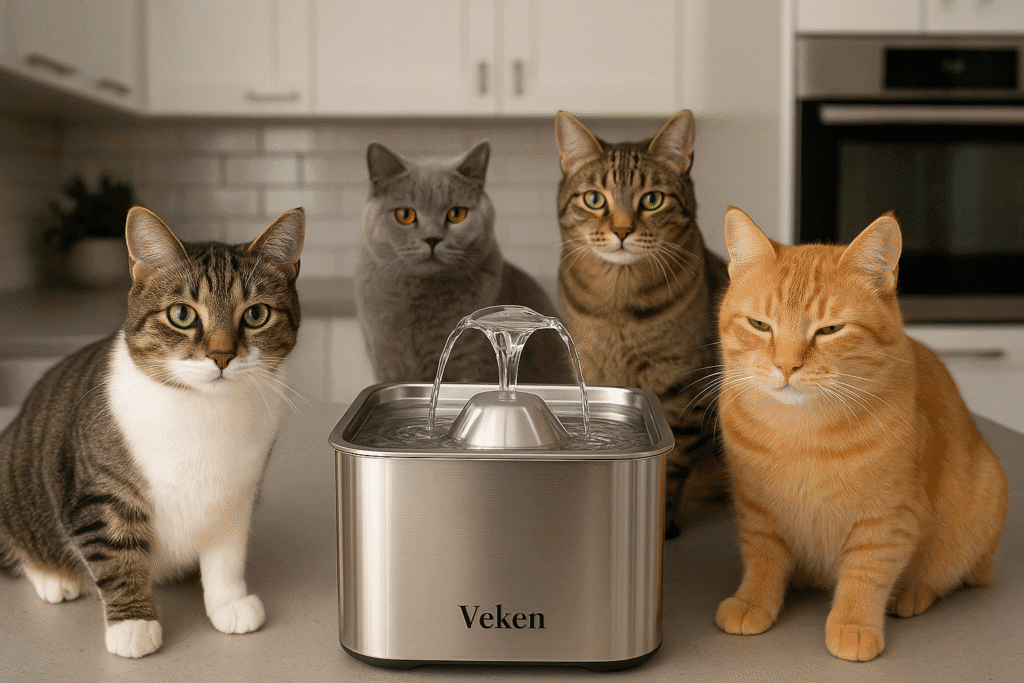
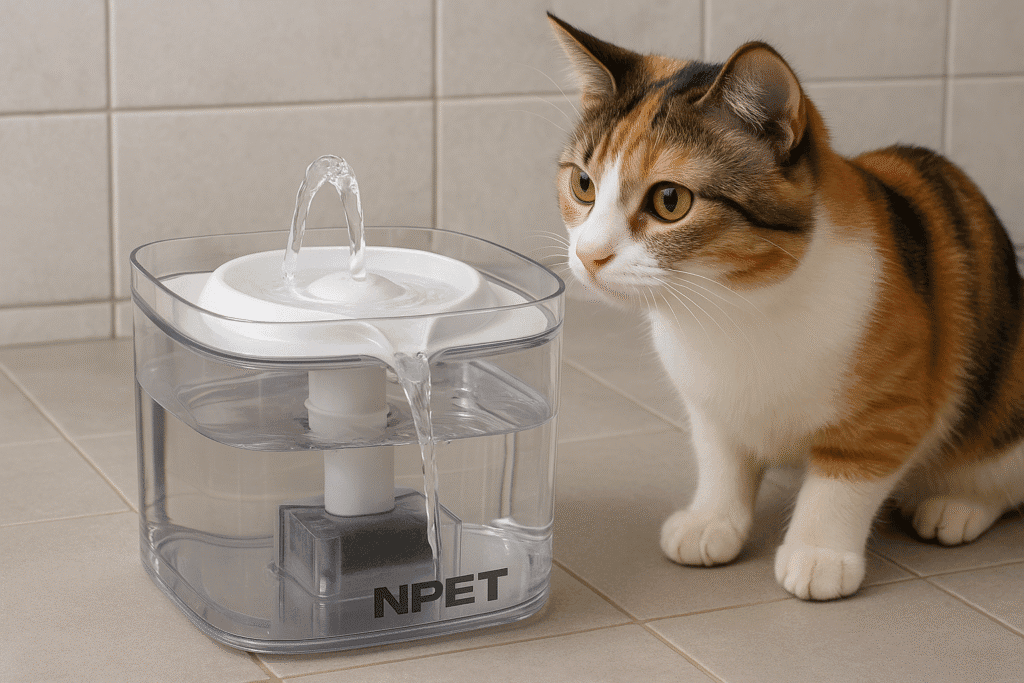
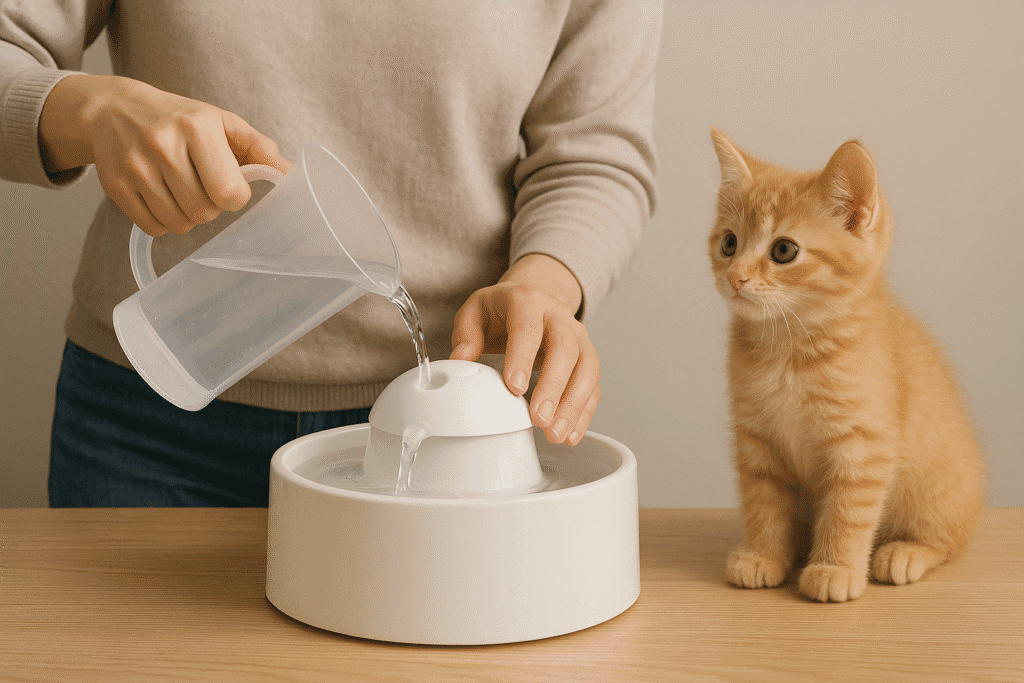
Shop top-rated smart feeders → Amazon - Lock hydration. A smart fountain (e.g., PETKIT Eversweet on Amazon) boosts drinking and reminds you about filter changes.
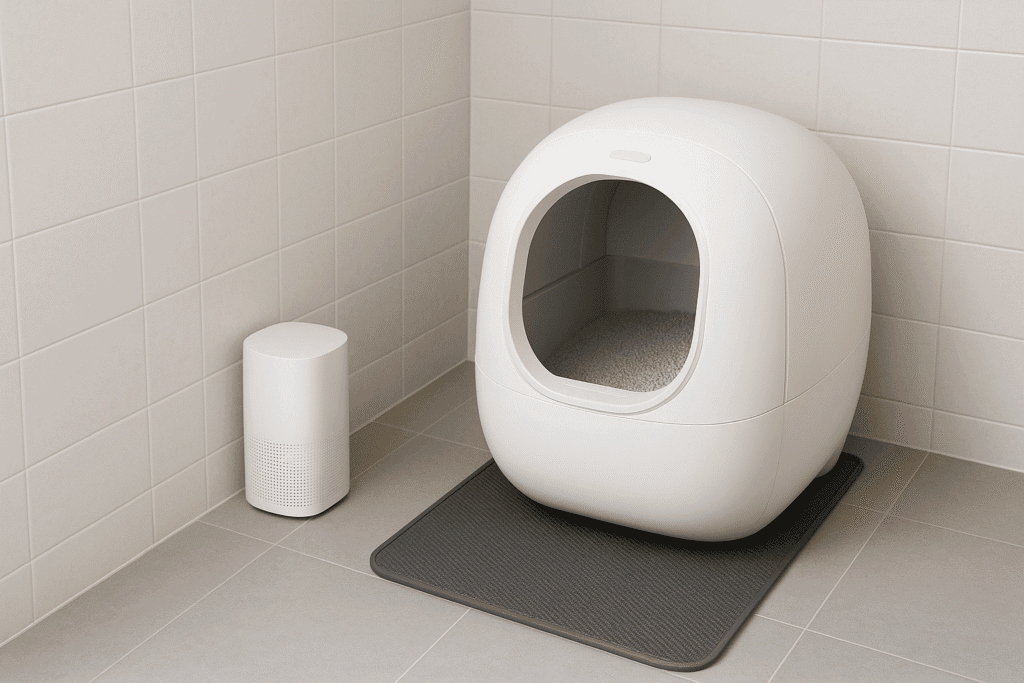
See best-selling cat fountains → Amazon - Put scooping on rails. Either commit to twice-daily manual scoops or move to a self-cleaning litter box (e.g., Litter-Robot 4) so “clean” is the default.
Check Litter-Robot 4 availability → Whisker - Schedule play like brushing teeth. Two sessions/day × 10–15 minutes with a wand toy; end with a small snack. Keep it consistent.
Pro tip
Set one push alert per day (not ten). Over-notification is one of those sneaky cat owner mistakes that leads to ignoring the app entirely.
Interlinks
- Best Automatic Cat Feeders 2025 — Top Picks for Cat Lovers
- Best Smart Water Fountains 2025 — Cleaner, Safer Hydration
- Best Smart Litter Boxes 2025 — Hassle-Free Solutions
Mistake #2: Environmental stress you don’t notice (box size, odor, air, space)
Why it’s a problem
Cats are masters of quiet discomfort. A litter box that’s too small, an ammonia whiff after scooping, no safe vertical rest spot—these are high-impact cat owner mistakes. They don’t scream for attention, but they fuel avoidance, night zoomies, and “mystery” meowing.
Checklist of hidden stressors
- Litter box ergonomics: The footprint should be ~1.5× your cat’s body length in width and ~2× in length. If they can’t turn fully, it’s too small.
- Odor spikes: Even a clean box can smell right after use; lingering odor pushes cats to “cleaner” floors, rugs, or beds.
- Air quality: Dander and dust build up fastest in small rooms and apartments.
- No vertical choice: Without perches/shelves, cats feel trapped at ground level.
The smart fix (design the room, not just the box)
- Upgrade the litter “zone,” not just the box.
- Purify the air quietly. A HEPA purifier with pet carbon (e.g., LEVOIT Core series on Amazon) removes fine particles and odor. Sleep Mode keeps it unobtrusive.
View LEVOIT pet-care purifiers → Amazon - Give safe highs and hides. Add one elevated perch and one covered hideaway per cat. This single change solves a shocking number of multi-cat scuffles.
Behavior science note
Cats choose the path of least resistance. Reducing odor and giving vertical options resolve more problems than scolding ever will. Not providing these options sits high on the list of cat owner mistakes, even among loving, experienced owners.
Interlinks
- Smart Litter Accessories 2025 — Odor, Tracking & Health Signals
- Smart Cat Bathing 2025 — Inside the AirSalon Era of Gentle Drying & Grooming
- Smart Cat Spaces 2025 — Designing Rooms That Think for You
Mistake #3: Ignoring pattern changes until they’re big
Why it’s a problem
Cats hide discomfort; the earliest signals are boring: a missed micro-meal, an extra litter visit, less time at the fountain, a shorter jump onto the couch. Dismissing these as “cat things” is one of the most costly cat owner mistakes because it delays care.
What to watch (light-touch, not obsessive)
- Food intake: sudden drop or unusual grazing.
- Water intake: less interest in the fountain, or frequent trips without much drinking.
- Litter patterns: more/less frequent visits, straining, vocalizing, or box avoidance.
- Rest/activity: decreases in play or unusual nighttime pacing.
The smart fix (simple data, clear thresholds)
- Use devices that keep a quiet log:
- Feeder/fountain apps for intake trends.
- Self-cleaning litter boxes for visit frequencies/weight changes.
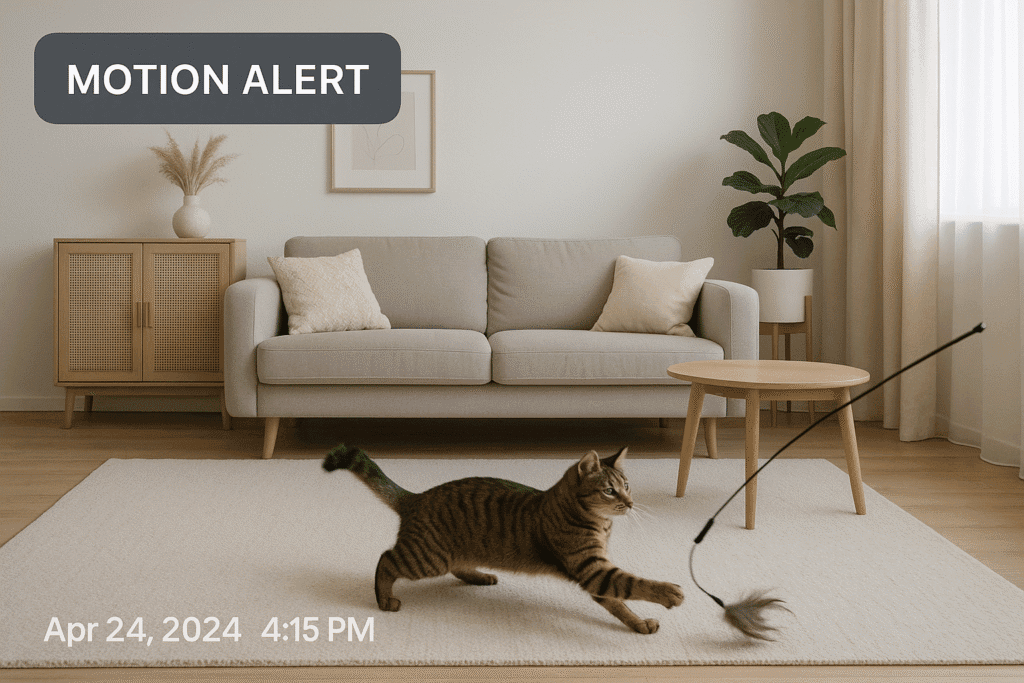
- Indoor cameras (e.g., Petcube on Amazon) for short check-ins and motion summaries.
See Petcube indoor cameras → Amazon
- Set two rules for your household:
- We check trends weekly (not hourly).
- If a trend looks off for 48–72 hours, we call the vet.
This avoids two classic cat owner mistakes—panic over blips or ignoring true patterns.
Vet alignment
The AVMA and Cornell both emphasize that sustained changes in eating, drinking, toileting, or behavior warrant evaluation. Smart tools help you notice; your vet confirms.
Interlinks
- Smart Cat Cameras 2025 — Real-World Picks & Setups
- Building a Smart Home for Your Cat — The Ultimate 2025 Guide
- Smart Apartment for Cats — How Tech Simplifies Urban Living
Bonus: Three small wins that pay off forever
These aren’t dramatic, but they quietly undo several cat owner mistakes in one shot:
- Separate food and water by 1–2 meters. Many cats drink more when water isn’t next to food.
- Two play sessions/day × 10–15 minutes. End with a small snack to complete the “prey sequence.”
- One calm wall per room. Keep feeders/fountains and litter/purifier aligned along a wall, center open. Movement feels safer.
Product quick picks
- Automatic feeders → schedule control, portion precision PetKit / Whisker / Amazon
- Smart fountains → cleaner, moving water + filter reminders PetKit / Amazon
- Self-cleaning litter boxes → odor control + usage logs Whisker / Amazon / PetKit
- HEPA purifiers → reduce dander/odor (LEVOIT Core series on Amazon).
- Indoor cameras → short check-ins, motion summaries (Petcube on Amazon).
These remove friction from routine, the root cause behind many cat owner mistakes.
The 7-day reset plan (copy this)
Day 1–2: Mirror your current meal times in a feeder; place fountain 1–2 m away.
Day 3: Add a litter mat and set a daily scoop time (or initiate self-cleaning).
Day 4: Two play sessions (10–15 min) and a small post-play snack.
Day 5: Place purifier near litter zone; enable Sleep Mode at night.
Day 6: Create one elevated perch + one covered hide.
Day 7: Review app summaries (food/water/litter). If anything looks off for 48–72 hrs, call your vet.
This is how you quietly erase the most common cat owner mistakes without overwhelming yourself (or your cat).
Bonus: The Emotional Side of Cat Ownership 🧠💛
Behind every one of these cat owner mistakes, there’s usually the same feeling — guilt.
You come home late, the feeder’s empty, or you forgot to scoop the litter before bed, and suddenly you feel like a bad cat parent. The truth? Perfection doesn’t exist in feline care. What matters is pattern, not panic. Cats thrive when life feels stable, not flawless.
If you’ve already made one of these cat owner mistakes, the best move isn’t to overcorrect — it’s to return to predictability. Feed at roughly the same times, keep your tone calm, and end each day with one positive interaction (a short play, a treat, a nap near you). Emotional consistency does more for your cat than any gadget ever could.
Technology helps, but empathy teaches you how to use it:
a smart feeder means freedom from guilt, a purifier means you can breathe together, and a camera means you’re connected even when apart.
That’s the real purpose of pet tech — not control, but comfort.
Final thoughts
Great cat care is empathy plus design. Lock the routine, right-size the environment, and use smart tools to catch small changes early. Do that, and most cat owner mistakes become non-issues. Your home stays calmer, your cat more confident—and you finally get to enjoy the best part of living with a cat: the soft, predictable, purring kind of normal.