Tag: smart cat feeder

  • Best Smart Cat Tech 2026: What’s Actually Worth Buying (and What Isn’t)

    Best Smart Cat Tech 2026: What’s Actually Worth Buying (and What Isn’t)

    Smart gadgets don’t automatically equal a better life for a cat. In 2026, the best products are the ones that reduce friction for humans without breaking a cat’s routine, safety, or sense of control. That means fewer “cute” features, more boring (but meaningful) ones: reliable portioning, safer litter cycles, cleaner water, better monitoring, and enrichment that doesn’t overstimulate.

    This guide to best smart cat tech 2026 focuses on real, buyable gear on Amazon US, with a simple filter: does it measurably improve daily care—or just add noise to your home? If you want one page to plan a smart setup that actually makes sense, start here. Best smart cat tech 2026 is about building a system, not stacking gadgets.


    What “Best” Means in Best Smart Cat Tech 2026 (My Non-Negotiables)

    Before products, standards. Best smart cat tech 2026 should hit at least three of these:

    • Safety-first design (sensors, lockouts, stable materials, predictable behavior)
    • Routine support (consistent meal timing, cleaner litter, quieter operation)
    • Low-maintenance hygiene (stainless where it matters, easy disassembly, washable parts)
    • Useful data (not “AI” fluff—actual behavior insights you can act on)
    • No forced subscription for basic functionality (alerts and advanced features can be paid, but core use should stand)

    Feeding: The Smart Upgrade That Actually Changes Outcomes

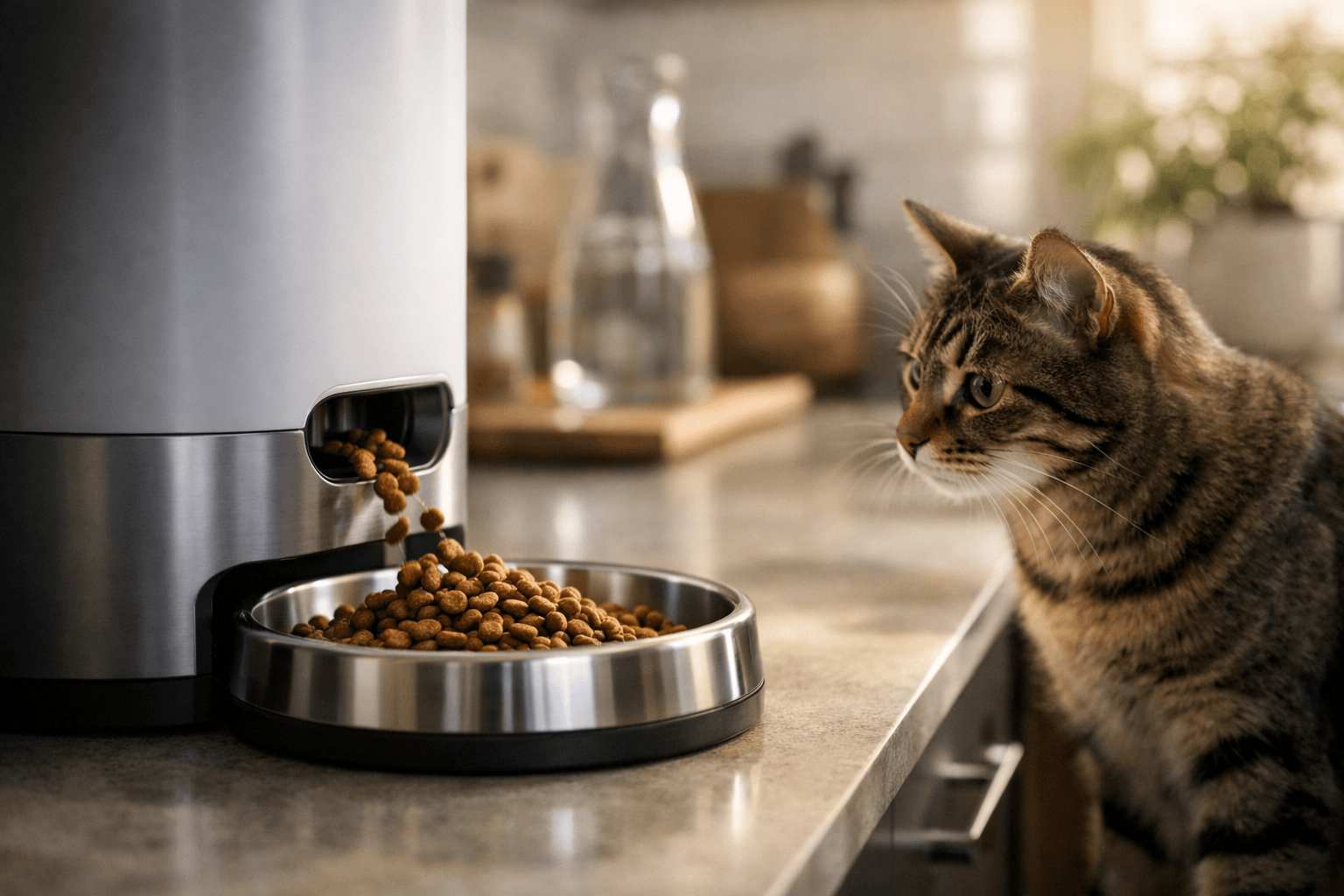
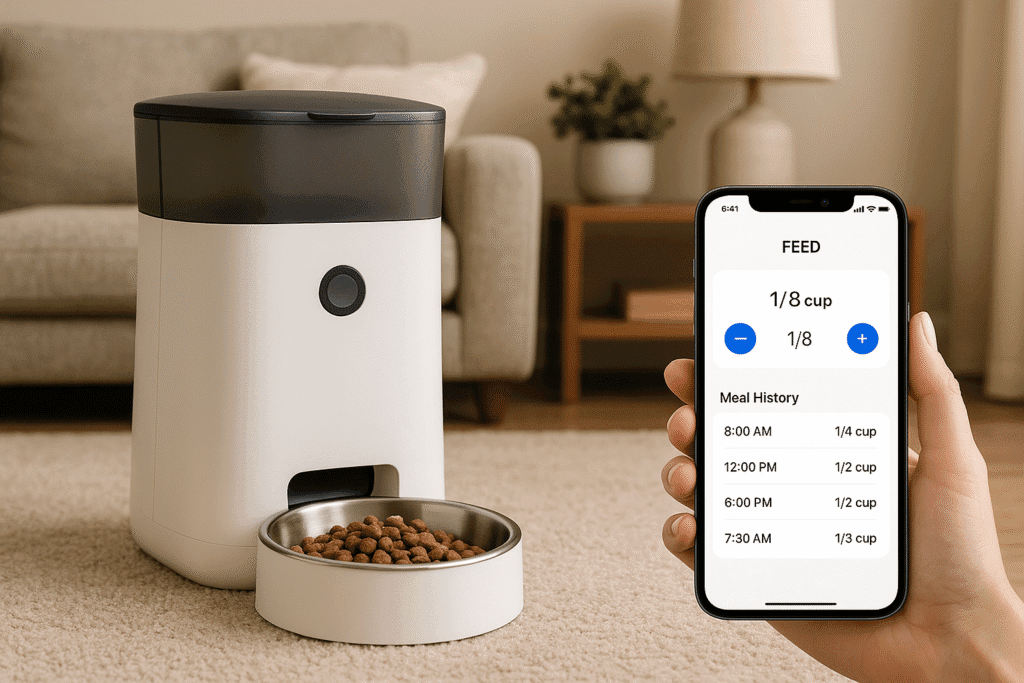
    Overfeeding is one of the most common, most expensive mistakes in cat care long-term. A solid feeder is core best smart cat tech 2026 because it controls the thing humans routinely mess up: portions and consistency.

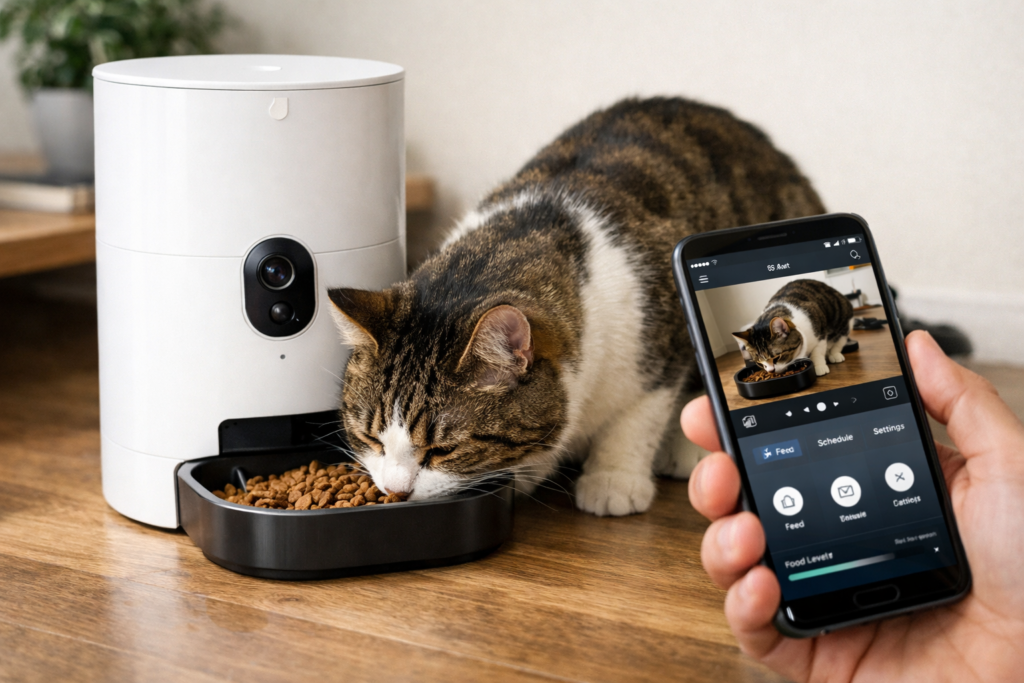
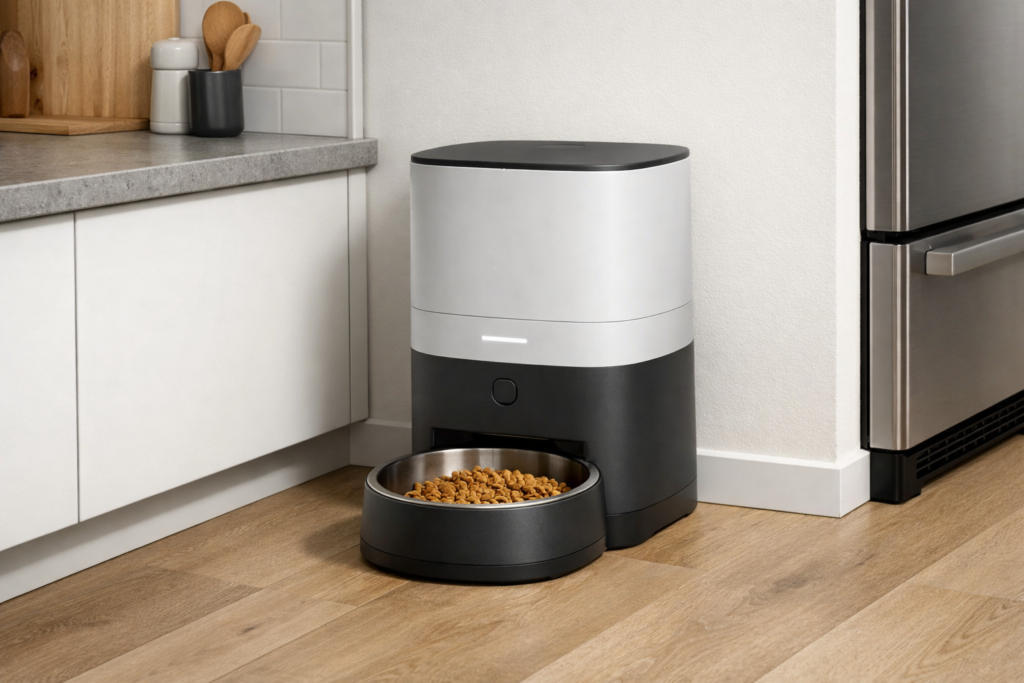
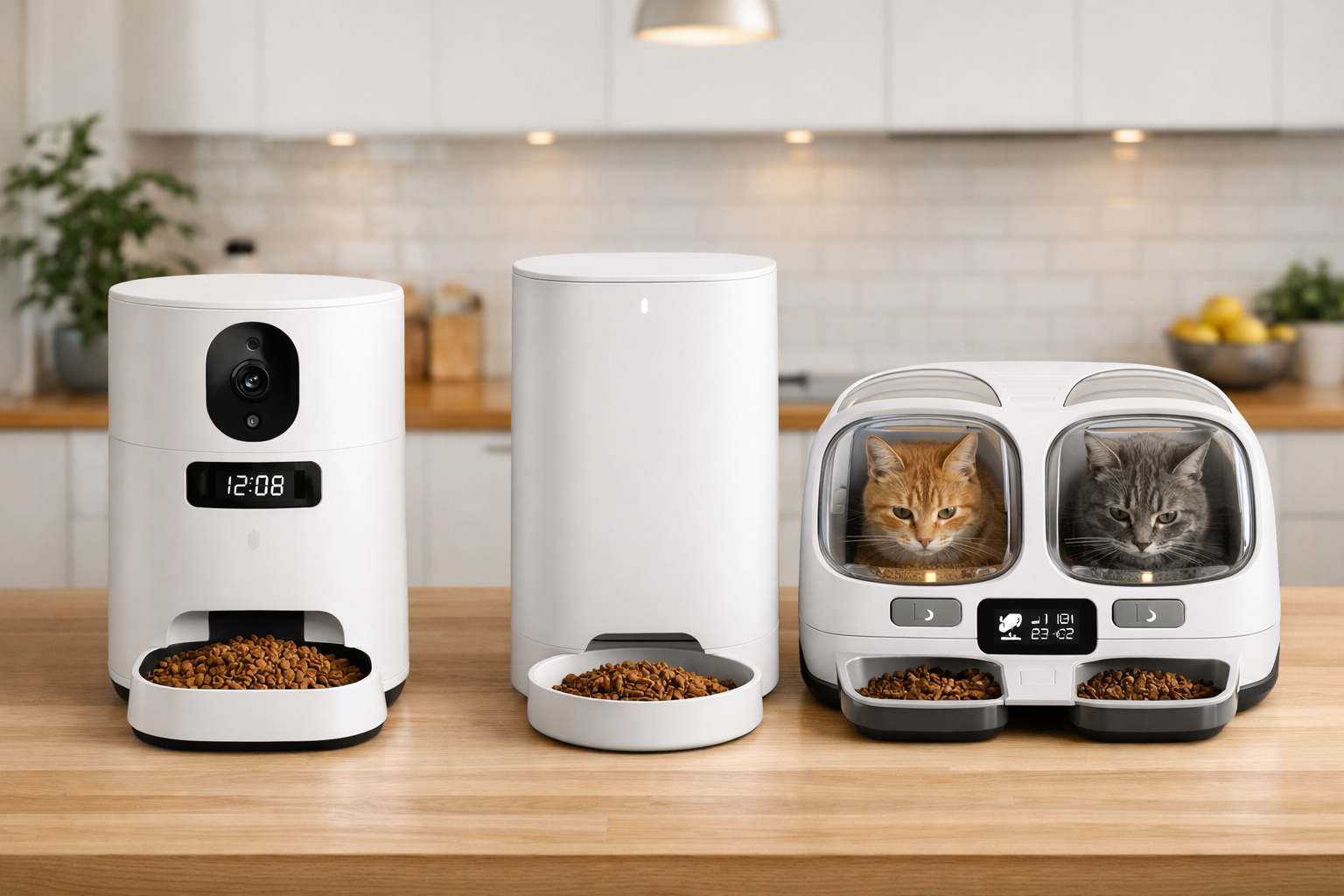
    PETKIT Fresh Element Infinity (Smart Feeder)
    Amazon (Solo)/ Amazon (Dual Hopper) / Amazon (Camera) / PetKit Store

    A strong pick if you want a feeder that’s built like a real appliance, not a toy. It’s designed for scheduled meals and controlled portions, which is where most “my cat is always hungry” problems begin.

    Why it belongs in best smart cat tech 2026

    • Scheduled feeding helps reduce chaotic begging loops.
    • Better portion control beats willpower every time.

    Quick pros

    • Great for routine feeding and portion discipline
    • Feels like a premium build in day-to-day use

    Quick cons

    • Still requires you to choose sensible portions (no device fixes math you won’t do)

    Want a deeper, hands-on breakdown before you buy? Read PETKIT Fresh Element Infinity Review 2025 | Smart Feeder Tested by PetTech AI.
    If you’re comparing brands first, use Best Smart Cat Feeders 2025 to shortlist models by use-case.

    (And yes: best smart cat tech 2026 for feeding is mostly about consistency, not “features.”)


    Litter Boxes: Where “Smart” Is Worth Paying For (If You Choose Carefully)

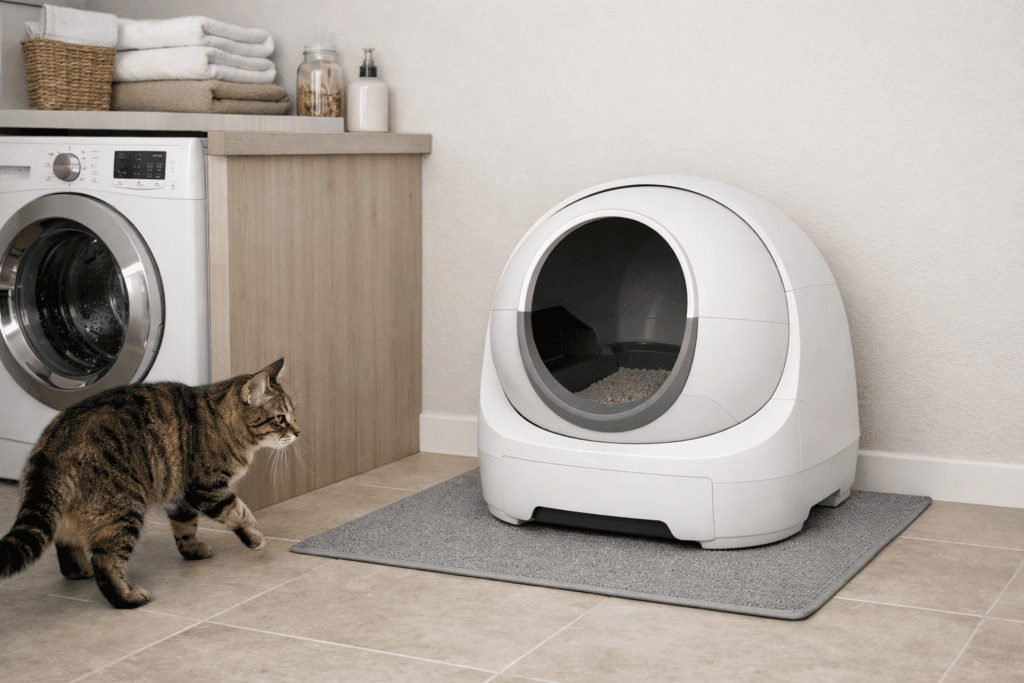
    Self-cleaning litter box setup designed for cleanliness and safety

    Self-cleaning litter is the most expensive category—and also where the difference between “smart” and “dangerous” matters. For best smart cat tech 2026, the bar is: redundant safety sensors, stable cycling behavior, and reasonable maintenance.

    PETKIT PuraMax 2 (Self-Cleaning Litter Box)

    This model is popular because it blends hands-off cleaning with the kind of sensor safety modern boxes need. It’s not “set and forget”—it’s “set and maintain.”

    Why it belongs in best smart cat tech 2026

    • More consistent cleanliness typically reduces litter avoidance.
    • App control is useful only if the hardware is safe and stable.

    Quick pros

    • Self-cleaning reduces human lag time (the #1 reason boxes get gross)
    • Designed around safety sensors (a baseline requirement)

    Quick cons

    • You still have to manage litter choice, waste bags, and cleaning cycles
    • Not every cat tolerates automated motion—slow introductions matter

    PETKIT N50 Odor Eliminator 2.0 (Accessory)

    Not a magic wand, but a practical add-on if odor is the limiting factor for where the box can live.

    Why it belongs in best smart cat tech 2026

    • Odor control affects box placement. Box placement affects usage. Usage affects everything.

    Quick pros

    • Straightforward, targeted odor support for compatible PETKIT units
      Quick cons
    • Doesn’t replace basic hygiene (regular bin changes still win)

    See also PuraMax vs Litter-Robot

    If you only buy one “big” product from this entire best smart cat tech 2026 list, it’s usually either a feeder or a litter box—because those are the two friction points that destroy consistency.


    Hydration: The Quiet Health Lever Most People Ignore

    Cats are famously under-hydrated. A fountain can help, but only if it’s clean, stable, and easy to maintain. In best smart cat tech 2026, a fountain’s “smart” value is mostly: reminders, modes, and build choices that make cleaning more likely.

    PETKIT EVERSWEET (Solo 2 / MAX variants)

    PETKIT’s fountain line is popular for a reason: these are designed as real home devices with usability in mind.

    Why it belongs in best smart cat tech 2026

    • Better hydration habits can support urinary health and overall well-being.
    • Easier cleaning = higher chance you’ll actually maintain it.

    Quick pros

    • Multiple operating modes (helpful for night + noise control)
    • Practical for multi-cat homes if you stay on cleaning schedule

    Quick cons

    • Any fountain becomes a bacteria project if you “forget” maintenance
    • Filters and parts are ongoing costs (that’s normal)

    Cameras: Not for Spying—For Behavior Signals You’d Otherwise Miss

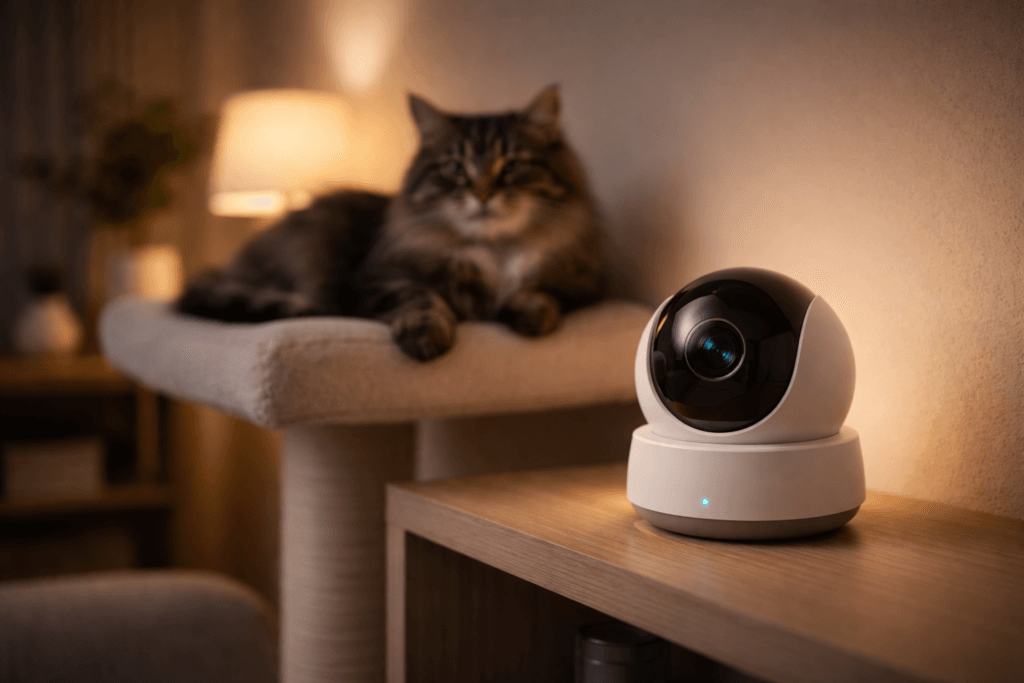
    360-degree pet camera monitoring a cat’s behavior at home

    A camera is only part of best smart cat tech 2026 if it does one thing well: gives you actionable visibility (activity changes, stress behaviors, conflicts in multi-cat homes). The rest is entertainment.

    Petcube Cam 360 (Pan/Tilt Pet Camera)

    A strong option if you want full-room coverage and simple check-ins. The 360-style coverage is practical in real spaces where cats move vertically and hide.

    Why it belongs in best smart cat tech 2026

    • Helps you see patterns: when they eat, where they rest, what triggers stress.
    • Useful for separation anxiety monitoring without disrupting the cat.

    Quick pros

    • 360° coverage reduces blind spots
    • Helpful for multi-room “spot checking” behaviors

    Quick cons

    • A camera doesn’t fix behavior; it only shows it
    • Over-monitoring can make owners anxious and reactive (don’t do that)

    Furbo 360° Cat Camera (Treat + Interaction)

    This category can be useful if treats are part of your training/enrichment. But the value depends on whether the camera works well without forcing a subscription for basic use (models vary—check the exact listing).

    Why it belongs in best smart cat tech 2026

    • Treat interaction can support remote enrichment in small doses.

    Quick pros

    • Interactive engagement when used sparingly
      Quick cons
    • Treat tossing can encourage overeating if you’re not disciplined

    GPS Tracking: Real Safety, Real Tradeoffs

    GPS trackers are part of best smart cat tech 2026 if your cat goes outdoors or has any escape risk. The tradeoffs are subscription and collar tolerance. Still, if your cat disappears, you will not care about subscription fees.

    Tractive GPS Cat Tracker

    A well-known option for real-time tracking and location history—useful for escape alerts and “where do they actually go?” reality checks.

    Why it belongs in best smart cat tech 2026

    • Escape alerts + location history are practical, not gimmicky.
    • Helps you make smarter decisions about outdoor time.

    Quick pros

    • Real-time tracking + history features are genuinely useful
      Quick cons
    • Subscription is part of the model
    • Collar acceptance varies—some cats hate it

    Enrichment: Smart Toys That Don’t Turn Your House Into a Casino

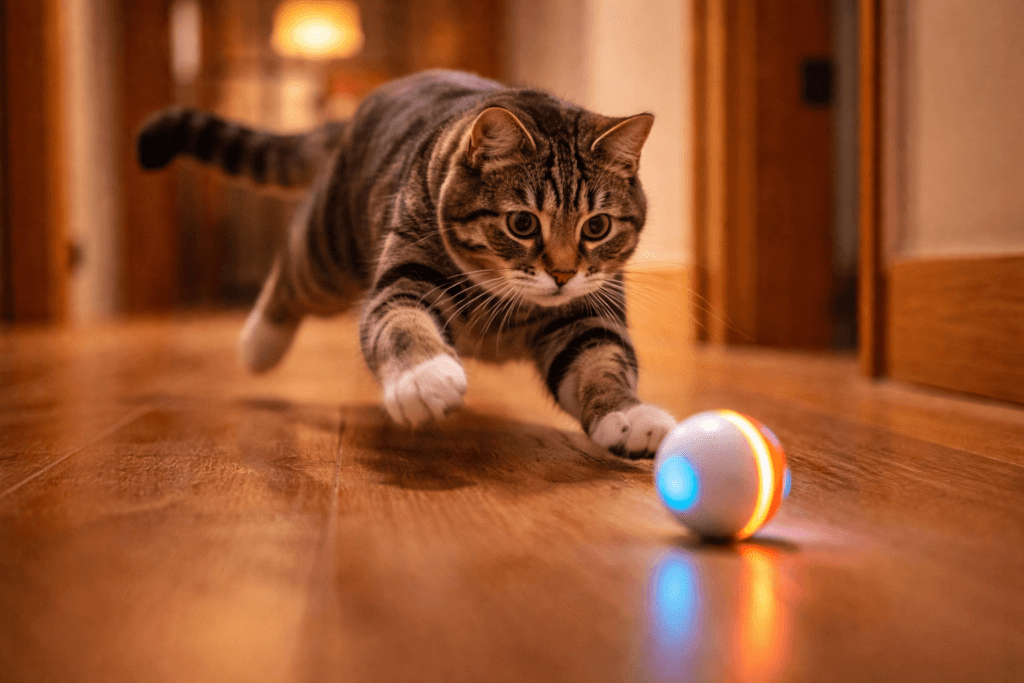
    Cat playing with an interactive toy for indoor enrichment and exercise

    Cats need play and problem-solving. Cornell’s feline health resources point out that safe toys and enrichment help support natural behaviors and can reduce boredom-related issues. Cornell Vet Med In best smart cat tech 2026, “smart enrichment” should be simple: movement, novelty rotation, and predator-style play—not constant stimulation.

    Cheerble Interactive Cat Ball (Automatic Moving Toy)

    Great for many indoor cats—especially if you use it like a tool, not a babysitter.

    Why it belongs in best smart cat tech 2026

    • Gets cats moving when owners are busy.
    • Works best in short, controlled sessions.

    Quick pros

    • Automatic motion can trigger chase behavior
      Quick cons
    • Some cats get overstimulated—limit session length

    Catit Senses 2.0 Super Circuit (Track Toy)

    Not “smart” in the Wi-Fi sense, but it’s one of the most reliable boredom tools because it’s modular, predictable, and easy to rotate.

    Why it belongs in best smart cat tech 2026

    • Rotation matters more than novelty. A simple toy that’s easy to reconfigure stays useful longer.

    Quick pros

    • Great for multi-cat and kitten energy
      Quick cons
    • Not every cat is a track-toy cat (some prefer wand play)

    Want to pick enrichment that matches your cat’s play style (not your taste)? Read Best Interactive Cat Toys 2025: Vet-Informed Picks to Bust Boredom & Boost Play.
    For the “why this works” science, see Indoor Cat Enrichment 2025: Science-Based Guide to Stress, Play & Smart Living.


    The Ecosystem Reality Check: The Best Smart Cat Tech 2026 Isn’t One Brand

    People want one app to control everything. Reality: you’ll probably mix brands. That’s fine—just choose a “spine” for the setup:

    • Feeding spine: PETKIT feeder (routine + portions)
    • Hygiene spine: PETKIT litter box (cleanliness + safety)
    • Visibility spine: Petcube (behavior insight)
    • Safety spine: Tractive (escape protection)
    • Enrichment spine: rotate Cheerble + Catit + human-led play

    That stack is what best smart cat tech 2026 looks like in real homes: a few high-impact anchors, not a drawer full of gadgets.


    What’s Overhyped in 2026 (Spend Less, Win More)

    If you’re trying to buy “future” vibes, here are common mistakes:

    • Buying a camera instead of fixing routines (feeding/litter first)
    • Over-automating play and accidentally creating frustration or overstimulation
    • Chasing “AI health claims” without clear, validated, actionable outputs
    • Ignoring maintenance reality (fountains and litter boxes don’t stay clean by optimism)

    The best best smart cat tech 2026 purchase is the one you’ll actually maintain.


    Verdict: My Shortlist for Best Smart Cat Tech 2026

    If you want a clean, defensible setup:

    • Start with feeding: PETKIT Fresh Element Infinity (portion control + routine)
    • Then litter: PETKIT PuraMax 2 (cleanliness + safety sensor approach)
    • Add hydration: PETKIT EVERSWEET (if you’ll clean it consistently)
    • Add visibility: Petcube Cam 360 (behavior patterns, multi-cat dynamics)
    • Add safety: Tractive GPS Cat Tracker (if outdoors/escape risk exists)
    • Add enrichment: Cheerble ball + Catit Super Circuit (rotate, don’t spam)

    That’s best smart cat tech 2026 in one sentence: control the basics, reduce friction, and use data only when it changes decisions.


    FAQ: Best Smart Cat Tech 2026

    1) What’s the single best smart cat tech 2026 upgrade for most homes?

    A smart feeder with reliable portion control—because consistent feeding routines directly reduce overeating patterns and begging spirals. For many households, that’s the highest ROI “smart” purchase in best smart cat tech 2026.

    2) Are self-cleaning litter boxes safe?

    Some are, some aren’t. For best smart cat tech 2026, choose models with multiple safety sensors and predictable cycling behavior, and introduce them slowly. Automated motion can stress certain cats, even when hardware is safe.

    3) Do fountains actually help cats drink more?

    They can, especially for cats attracted to moving water—but only if the fountain is kept clean. Maintenance is the difference between “health support” and “biofilm machine.” Vca

    4) Is a pet camera worth it if I’m home most of the time?

    Sometimes yes—because it shows behavior you don’t notice (night activity, multi-cat conflict, changes in routine). But it’s not a substitute for enrichment and consistent care.

    5) Do GPS trackers work for cats?

    Yes, with tradeoffs: subscription, collar tolerance, and battery management. If your cat can escape or goes outdoors, GPS can be one of the most practical safety buys inside best smart cat tech 2026.


    Internal Links


    References

    • Cornell Feline Health Center — “Safe Toys and Gifts” (why structured play and safe toys matter for natural behaviors and preventing boredom-related issues). Cornell Vet Med
    • AAFP (via AVMA news) — consensus framing on feeding cats, including the need to consider play/predation needs as part of feeding programs. AVMA
    • AAFP/ISFM Feline Environmental Needs Guidelines — core framework (“pillars”) connecting environment to feline wellbeing and behavior. SAGE Journals

    Disclaimer

    PetTech AI publishes educational content to help cat owners make safer, more informed decisions about everyday care, behavior, and pet technology. Some articles contain affiliate links, including Amazon Associate links and other affiliate partnerships. If you click a link and make a qualifying purchase, PetTech AI may earn a small commission at no extra cost to you. These commissions help support testing time, research, and ongoing site maintenance. Product availability and features can change over time, so always confirm the latest details on the retailer’s page. Nothing on this site replaces veterinary advice for medical concerns.

  • Remote Health Monitoring for Cats in 2025: What Smart Litter Boxes, Feeders & Fountains Really Tell You

    Remote Health Monitoring for Cats in 2025: What Smart Litter Boxes, Feeders & Fountains Really Tell You


    Why remote health monitoring for cats is suddenly everywhere

    Open any pet tech page in 2025 and you’ll see the same promise: health reports, wellness insights, AI monitoring for your cat. Remote health monitoring for cats sounds amazing—your devices quietly collect data while you’re at work and warn you when something’s off.

    But what do these “health reports” actually track? How much can smart litter boxes, feeders, fountains and GPS trackers really tell you—and where do they hit a hard limit compared with a real vet exam?

    In this guide, we break down how remote health monitoring for cats works in practice, which metrics matter, where the tech is genuinely useful, and where it’s mostly marketing. We’ll use real examples from PETKIT, Whisker (Litter-Robot, Feeder-Robot), CATLINK and Tractive so you can decide if this ecosystem is worth the investment.


    What “remote health monitoring for cats” really means

    When brands talk about remote health monitoring for cats, they’re not diagnosing disease. They’re tracking patterns:

    • Litter box data – visits per day, duration, weight trends, sometimes even waste characteristics. PETKIT PuraMax 2, CATLINK Scooper Pro and Whisker’s Litter-Robot 5 all log usage and cat weight through their apps.
    • Feeding data – how much, how often, and which cat is eating. CATLINK RFID feeders and Whisker’s Feeder-Robot can generate daily health reports about eating patterns.
    • Hydration data – drinking frequency, volume and duration from smart fountains like PETKIT Eversweet 3 Pro and CATLINK Pure 2 / W03 AI fountains with health report features.
    • Activity & sleep – GPS trackers such as Tractive Cat Mini and newer devices like the Fi Mini log activity, rest and sometimes behavior trends.

    Put together, this is remote health monitoring for cats in 2025: continuous tracking of input (food, water), output (urine, feces), weight, and activity, viewed through a single or multi-app dashboard.

    It’s powerful—but only if you know what you’re looking at.


    The litter box: still the strongest health signal

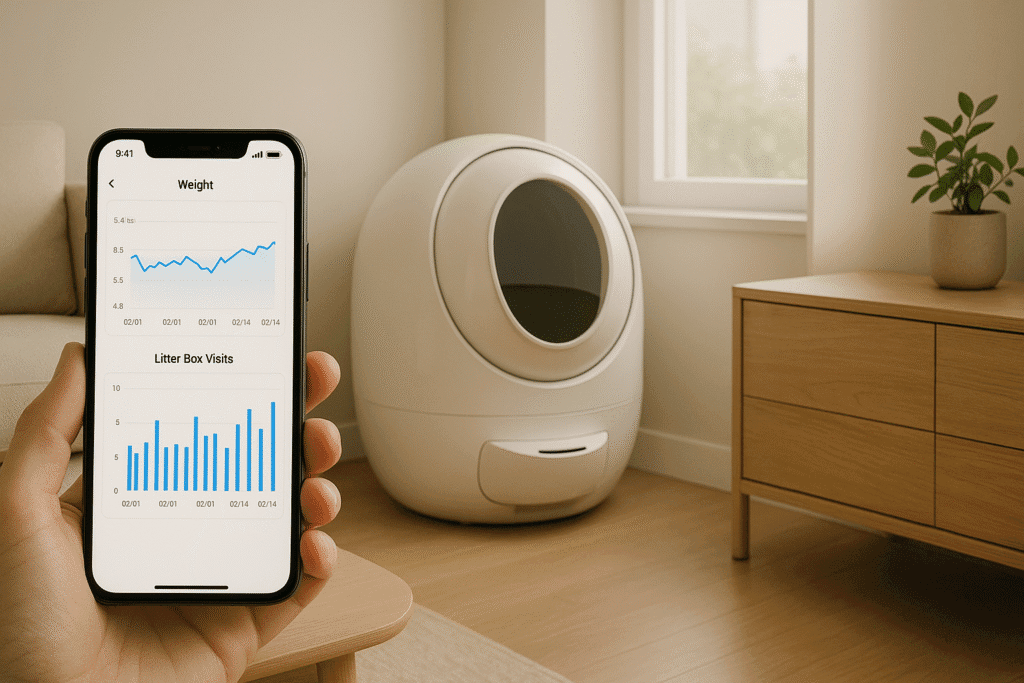
    Smart litter box and app dashboard showing remote health monitoring data for a cat

    If you want remote health monitoring for cats that actually matters, the litter box is still the MVP. Changes in urination and defecation are early red flags for urinary disease, kidney issues, diabetes, constipation, diarrhea and pain.

    Key devices to know:

    PETKIT PuraMax 2 – data-driven urinary tracking

    PETKIT’s PuraMax 2 combines automatic cleaning with granular tracking of litter box visits and cat weight via the PETKIT app. It logs frequency, duration and weight trends for each cat in multi-cat homes, and flags abnormal patterns that may suggest urinary blockage or other problems.

    Pros

    • Strong app with visual trends for weight and box usage
    • Good fit with the wider PETKIT ecosystem (feeders, fountains)
    • Triple odor control and quiet operation make it easy to live with

    Cons

    • Requires consistent app use to get real value from the data
    • Still can’t tell you why your cat is peeing more—only that the pattern changed

    If you want remote health monitoring for cats without going full “AI camera in the litter box” yet, PuraMax 2 is one of the most balanced choices to start with.

    Whisker Litter-Robot 5 Pro – deeper AI insights

    Whisker’s new Litter-Robot 5 Pro leans heavily into health analytics. Pair it with the Whisker app and you get detailed usage statistics, weight charts and daily summaries per cat. The Pro model uses AI to identify individual cats and alert you to abnormal patterns that might signal disease.

    Pros

    • Best-in-class insights for multi-cat homes
    • Tight integration with Feeder-Robot inside the same app
    • Whisker+ subscription adds more detailed health trends

    Cons

    • Expensive upfront, especially if you add feeder + subscription
    • Data is very rich—easy to get anxious if you don’t know how to interpret it

    CATLINK Scooper series – holistic “input + output” vision

    CATLINK’s self-cleaning litter boxes track visits, weight changes and usage patterns across multiple cats, matching them with data from CATLINK feeders and fountains through a “holistic health monitoring system.”

    Pros

    • Designed from the start as part of a full health-tracking ecosystem
    • Multi-cat recognition and long-term pattern tracking
    • Strong value if you plan to commit to several CATLINK devices

    Cons

    • App and hardware occasionally get mixed feedback on stability
    • Best results require going “all in” on the brand

    Bottom line: If you care about remote health monitoring for cats, a smart litter box with decent app analytics is the first device that actually moves the needle.


    Smart fountains with health reports: hydration finally quantified

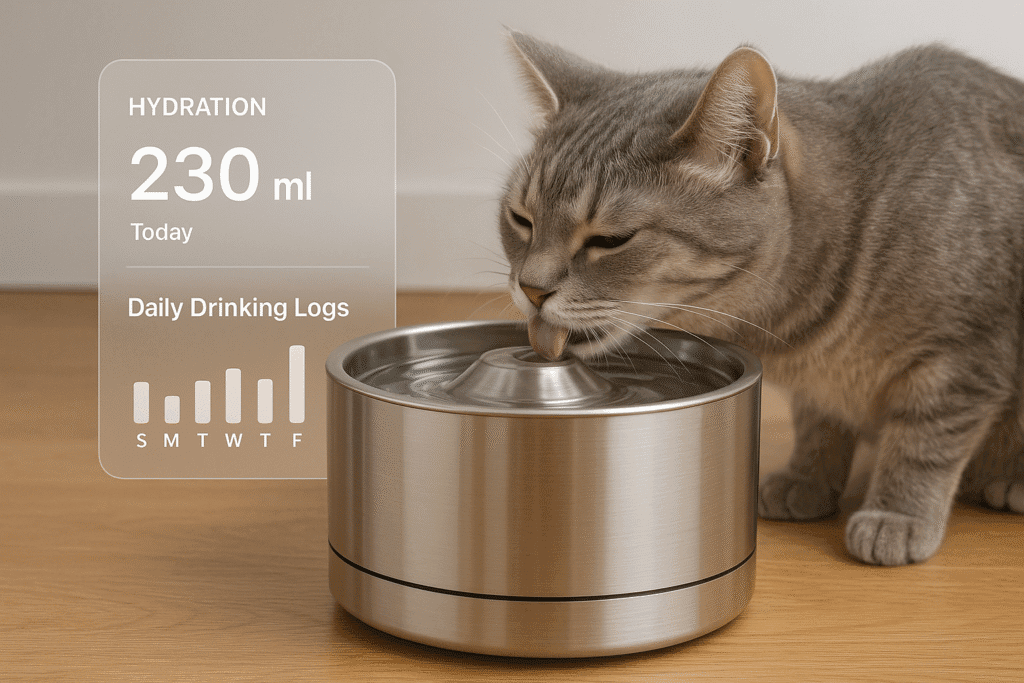
    Cat drinking from a smart water fountain with hydration tracking overlay

    Chronic kidney disease and urinary problems are common in cats, and early signs include increased drinking, more frequent urination and subtle weight changes.

    Smart fountains with health reports aim to make hydration quantifiable instead of guesswork.

    PETKIT Eversweet 3 Pro – smarter tracking, better hygiene

    The Eversweet 3 Pro is a stainless-steel smart fountain with a wireless pump and app connectivity. You can monitor drinking frequency and tweak modes (standard, smart, night) from the PETKIT app.

    Pros

    • Stainless steel bowl and wireless pump reduce biofilm risk and cleaning hassle
    • Integration with the PETKIT ecosystem if you already use their feeders or litter box
    • Ultra-quiet operation fits well in bedrooms and studios

    Cons

    • “Health monitoring” here is still basic—mostly usage trends, not medical analysis
    • App value depends on how often you actually check the stats

    CATLINK Pure 2 / W03 AI Water Fountain – full hydration health report

    CATLINK’s Pure 2 and W03 AI water fountains go harder on the “health report” promise: they log drinking frequency, duration and volume, and the app can generate hydration logs and health reports that tie into broader CATLINK ecosystem data.

    Pros

    • Detailed water-intake logs with alerts for abnormal patterns
    • Ultrafiltration and multi-stage filtration improve water quality
    • Wireless pump + battery options support flexible placement

    Cons

    • Still no direct medical interpretation—you get data, not diagnoses
    • Filter maintenance is non-optional if you want safe water

    If you already invested in a smart litter box, pairing it with a health-report fountain is one of the cleanest ways to level up remote health monitoring for cats without stressing your cat (no collars, no cameras).


    Smart feeders with health reports: catching silent weight creep

    Obesity is one of the biggest, and most underrated, health threats for indoor cats. AVMA-linked research shows that obesity increases the risk of diabetes, orthopedic disease, skin issues and more. Regular weight tracking and portion control are strongly recommended in the veterinary literature.

    Smart feeders with health reports give you three layers of control:

    • Who ate (via RFID or facial recognition)
    • How much they ate (portion logs)
    • How patterns change over weeks and months

    CATLINK Fresh 2 / F04 Pro RFID Feeder

    CATLINK’s smart feeders are built around multi-cat recognition and daily health reports. They log eating time, amount and which cat ate, and can generate customized daily reports to help spot early drops or spikes in appetite.

    Pros

    • True per-cat logging in multi-cat homes
    • App-based schedules plus manual “snack” control
    • Great combo with CATLINK litter boxes and fountains for full input/output tracking

    Cons

    • Works best if each cat reliably wears a compatible tag
    • Some cats will test the lid or try to steal each other’s food anyway

    Whisker Feeder-Robot

    Feeder-Robot integrates tightly with the Whisker app, which already tracks litter box activity and weight. You get feeding trends, portion histories and the ability to sync patterns across robots.

    Pros

    • Unified app with Litter-Robot 5 data
    • Very useful if you’re already “in” the Whisker ecosystem
    • Great for cats on strict calorie or therapeutic diets

    Cons

    • Overkill if you only have one healthy, easy-keeper cat
    • Health value collapses if you leave food in “free-for-all” mode with no rules

    If your cat is edging into the “maybe a bit chubby” zone, combining smart feeding with remote health monitoring for cats is one of the few tech moves that can realistically add healthy years to their life.


    GPS & wellness trackers: behavior data you’d never see otherwise

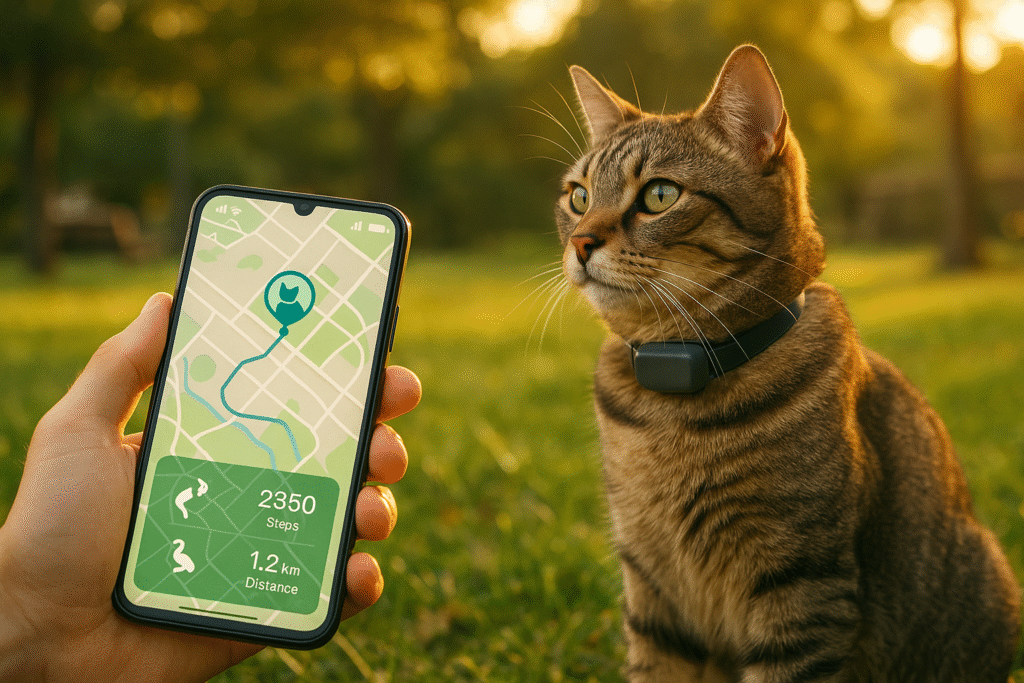
    Cat wearing a GPS tracker while owner checks health and activity stats on a phone

    Litter, food and water cover what goes in and out. GPS and wellness trackers cover how your cat actually lives in between.

    Devices like Tractive’s cat tracker monitor:

    • Real-time location and escape alerts
    • Activity levels and calorie burn
    • Sleep duration and patterns
    • Health alerts when behavior deviates from normal

    Newer devices such as the Fi Mini push even further, adding AI-powered behavior detection (scratching, licking, etc.) and extended battery life in a clip-on form factor sized for cats.

    Pros

    • The only way to get real outdoor data for roaming cats
    • Useful for weight management: calories and activity aren’t guesses anymore
    • Strong fit for anxious owners of escape-artist cats

    Cons

    • Subscription fees add up over years
    • Collars can be lost; some cats hate wearing anything at all

    Where they fit:
    If your cat is strictly indoors and already monitored via smart litter and feeder, trackers are “nice to have.” For outdoor or door-darting cats, they become the backbone of remote health monitoring for cats, because you finally see what actually happens outside.


    How to read all this data without losing your mind

    Here’s the unfiltered truth:

    Remote health monitoring for cats is amazing at spotting patterns, terrible at explaining causes.

    Vets and feline health centers are very clear on this: weight changes, litter box changes, appetite shifts and hydration changes are among the most important red-flag signs in cats—but they’re non-specific.

    Use the data like this:

    • Weight trend steadily down over weeks (with normal or increased appetite) → flag for hyperthyroidism, diabetes, cancer or kidney disease; schedule a vet check.
    • Sharp spike in litter box visits or straining, blood, vocalizing → emergency risk for urinary obstruction, especially in males; this is a same-day vet visit, not an app problem.
    • Gradual drop in activity + increased sleep + weight gain → strong signal to discuss obesity and joint pain with your vet; remote health monitoring for cats just makes this harder to ignore.

    What the devices can’t do:

    • Diagnose specific diseases
    • Replace physical exams, blood work, or urinalysis
    • Tell the difference between stress, bullying, pain and “just getting older”

    Treat remote health monitoring for cats as an early-warning radar. When your devices start drawing weird graphs, your next click shouldn’t be “buy more tech”—it should be “book a vet appointment.”


    Who actually benefits from a full health-monitoring ecosystem?

    Remote health monitoring for cats isn’t equally useful for everyone. It’s high-leverage for:

    • Senior cats (10+ years) – where small weight or litter changes can signal major disease.
    • Multi-cat homes – where it’s almost impossible to know who ate or peed what without tech help.
    • Cats with known urinary, kidney or diabetic issues – hydration and litter data can catch relapses earlier.
    • Owners who travel or work long hours – remote dashboards are far better than guessing via the sniff test.

    If you’re living with one young, healthy indoor cat and a normal work schedule, a full ecosystem may be overkill. In that case, start small: a solid smart litter box or feeder is often enough for meaningful remote health monitoring for cats.


    Internal links


    References


    Disclaimer

    The information in this article is for educational purposes only and is not a substitute for professional veterinary advice, diagnosis or treatment. Always consult your veterinarian if you notice changes in your cat’s behavior, appetite, weight, litter box habits or activity level, or before making significant changes to their care.

    PetTech AI participates in affiliate programs, including Amazon Associates and CJ. This means we may earn a small commission if you purchase products through links on this page, at no extra cost to you. Our reviews and recommendations are based on independent research, testing when possible, and analysis of verified user feedback.

  • Smart Cat Ecosystems 2025: How Connected Feeders, Fountains & Litter Boxes Really Work

    Smart Cat Ecosystems 2025: How Connected Feeders, Fountains & Litter Boxes Really Work

    Indoor cat care in 2025 is starting to look a lot like building a tiny “smart home” just for your cat. Brands now push complete smart cat ecosystems 2025: a feeder, fountain, and litter box that all talk to the same app and generate health reports on eating, drinking, and toilet habits.

    The problem: marketing promises a kind of feline Apple ecosystem. Real life is messier. This guide strips out the hype and looks at what these systems actually do today, where PETKIT and CATLINK are ahead, how cameras like Furbo and Petcube fit in, and when a smart cat ecosystem 2025 makes clinical sense versus being just expensive gadgetry.


    What Is a “Smart Cat Ecosystem 2025” in Practice?

    For this article, a smart cat ecosystem 2025 is not just “owning three gadgets.” It has three key components:

    1. Smart feeder – portion-controlled, app-managed, scheduled feeding.
    2. Smart water fountain – filtered, often battery-backed, with app monitoring of water level and filter status.
    3. Smart litter box – self-cleaning with weight sensors, usage logs, and sometimes health insights.

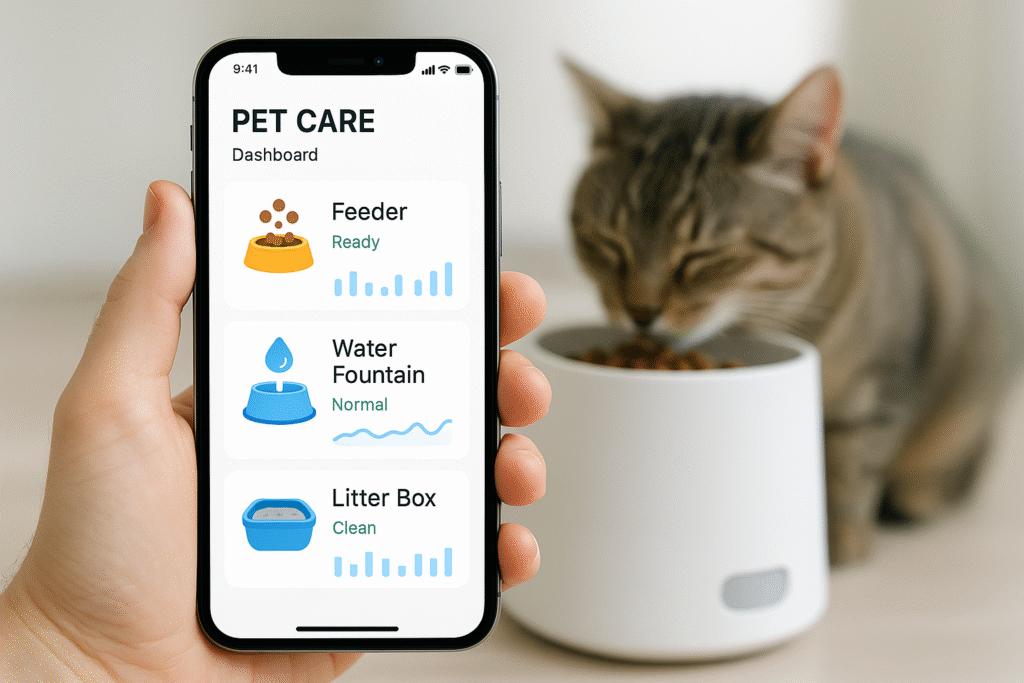
    The ecosystem part comes from one unified app that:

    • Controls all devices from a single dashboard
    • Logs intake (food/water) and output (litter box visits, weight)
    • Sends alerts if something changes (e.g., fewer litter visits, less drinking)

    PETKIT explicitly markets this idea: its app is designed to manage all Petkit devices in one place and “link everything for pet’s life.” Similarly, CATLINK sells complete “EcoSystem” bundles – litter box, feeder, and fountain – designed to work together through the CATLINK app.


    Do Cats Actually Benefit From Smart Ecosystems? (What the Science Says)

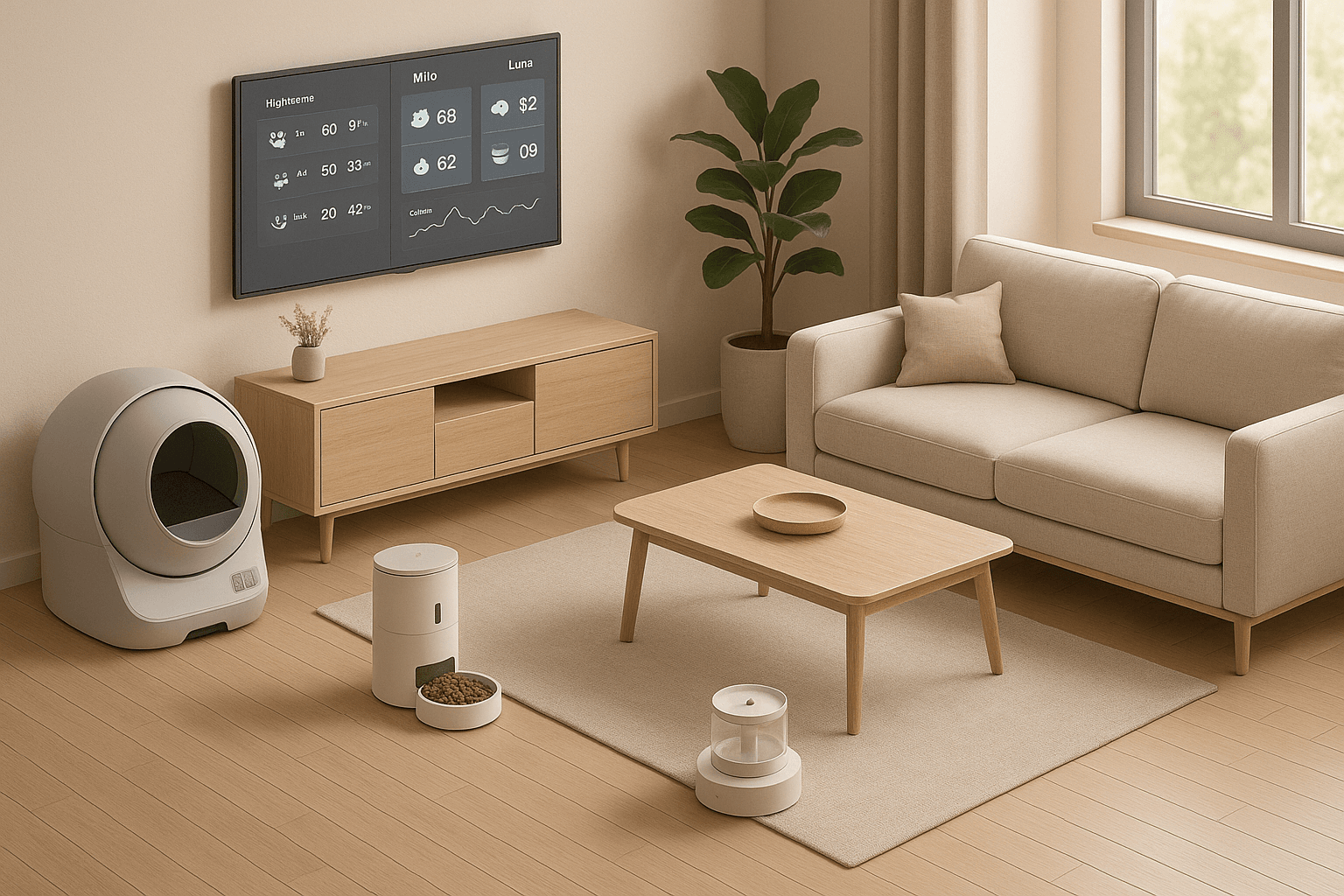
    Smartphone app dashboard showing connected cat feeder, fountain, and litter box data

    The tech exists; the question is whether a smart cat ecosystem 2025 solves real feline problems. Veterinary and behavior research gives you the baseline:

    • Environmental enrichment is critical for indoor cats. Cornell notes that toys and interactive environments reduce obesity, destructive scratching, and inappropriate elimination by allowing natural behaviors like stalking and problem-solving. vet.cornell.edu
    • Consistent feeding routines and portion control help prevent weight gain and obesity-linked disease. Veterinary guidelines emphasize small, predictable meals for many cats rather than free-feeding large amounts.
    • Adequate hydration is a core pillar of urinary and kidney health; fountains with flowing water can increase drinking for some cats, which is why multiple veterinary sources recommend them as part of environmental enhancement. Dr. Judy Morgan’s Naturally Healthy Pets

    A smart cat ecosystem 2025 doesn’t magically make your cat healthier, but it does give you tools to:

    • Keep feeding schedules and portions consistent
    • Encourage more drinking with flowing water
    • Track litter box usage and weight trends

    In other words: it’s not medicine, but it can support earlier detection of problems and reduce some day-to-day risks if you actually look at the data.


    Ecosystem #1 – PETKIT: App-First Feeders, Fountains & Litter Boxes

    PETKIT is one of the few brands already fairly close to a real smart cat ecosystem 2025.

    How PETKIT’s Ecosystem Works

    • PETKIT App – one app manages feeders, fountains, and litter products, with remote control and status monitoring. App Store
    • Smart feeders (e.g., Fresh Element series) – app-scheduled meals, portion control, and remote dispensing. User reviews highlight the ability to set complex feeding plans and trigger extra meals when away. PetKit Store / Amazon
    • Eversweet fountains – monitor filter status, water level, and switch between smart and normal modes via the app. PetKit Store / Amazon
    • Auto litter boxes (Pura series) – self-cleaning units that sync with the app for usage and maintenance alerts (details vary by model, but the pattern is consistent across PETKIT’s litter products). PetKit Store / Amazon

    Together, you get a smart cat ecosystem 2025 that can log how much your cat eats, how often they drink, and how frequently they use the box.

    PETKIT Ecosystem – Pros

    • Single app for feeder, fountain, and litter box (less app clutter).
    • Feeders support fine-grained portion control and scheduled meals, useful for overweight or insulin-timed cats.
    • Fountains offer smart vs normal modes and remote monitoring of water level and filter changes.
    • Ecosystem logic: food, water, and litter behavior all live within the same app view.

    PETKIT Ecosystem – Cons

    • Real “health insight” is limited – you still have to interpret data and bring it to your vet.
    • Setup is more complex than buying a single plug-and-play device.
    • You’re effectively committing to one brand’s ecosystem (lock-in), which matters if you later prefer another feeder or fountain.

    For many readers of PetTech AI, PETKIT is currently one of the most realistic ways to build a smart cat ecosystem 2025 with a coherent app experience.


    Ecosystem #2 – CATLINK EcoSystem: Input/Output Monitoring in One App

    Smart litter box, feeder, and fountain with overlay showing toilet, feeding, and drinking stats

    CATLINK pushes the ecosystem idea even more explicitly. Their EcoSystem bundles combine a self-cleaning litter box, automatic feeder, and AI water fountain, all linked to the CATLINK app.

    Key Components

    • Self-cleaning litter boxes (Scooper series) – app control, automatic/manual cleaning, litter usage tracking, waste level monitoring, and health insights based on toilet behavior.
    • Automatic feeders – app-controlled, portioned, and scheduled feeding; some models offer multi-cat recognition.
    • AI water fountains – wired or wireless models with app control and monitoring.
    • EcoSystem sets – bundled kits (e.g., EcoSystem Pro or SE) specifically marketed as “connect scooper, feeder, and water fountain to the CATLINK app to monitor toilet, eating, and drinking habits.”

    This is a textbook smart cat ecosystems 2025 pitch: one vendor, three devices, one app, and health monitoring over time.

    CATLINK EcoSystem – Pros

    • App explicitly focuses on health monitoring and insights for cat toilet behavior and overall activity.
    • EcoSystem bundles make it straightforward for someone who wants everything from one brand.
    • Multi-cat features (feeder facial recognition, multi-cat-friendly designs) are built with modern multi-cat households in mind.

    CATLINK EcoSystem – Cons

    • Even more ecosystem lock-in than PETKIT; the whole selling point is staying inside CATLINK.
    • Health metrics are still early-stage analytics; no device can replace a vet exam or lab work.
    • Initial cost of a full CATLINK smart cat ecosystem 2025 bundle is high, especially if you don’t need all three components immediately.

    If you want maximum automation and you’re comfortable with a single-brand setup, CATLINK is one of the clearest implementations of a smart cat ecosystem 2025 currently available.


    Adding Vision: Furbo, Petcube & the “Overwatch” Layer

    Smart litter box, feeder, and fountain with overlay showing toilet, feeding, and drinking stats

    Feeders, fountains, and litter boxes tell you what your cat does with food, water, and waste. Cameras add behavioral context.

    • Furbo 360° Cat Camera – offers a rotating 360° view, treat tossing, two-way audio, and AI-based smart alerts for meowing, vomiting, or “out of the ordinary” behavior.
    • Furbo Smart Alerts can notify you when your pet is active, when someone is detected, and when the camera captures notable moments. help.furbo.com
    • Petcube cameras integrate with Alexa for hands-free voice control and were early to link pet camera features with smart home platforms. Petcube web-site

    These devices don’t technically make a smart cat ecosystem 2025 on their own, but they give you:

    • Visual confirmation when your litter box data spikes
    • The ability to check if “vomit alert” correlates with actual GI issues
    • Extra enrichment (treat tossing, interactive play) when paired with smart feeders and toys

    For PetTech AI readers, a realistic stack is: PETKIT or CATLINK ecosystem + Furbo or Petcube camera → genuine multi-layer monitoring of your cat’s environment and behavior.


    When a Smart Cat Ecosystem 2025 Makes Sense

    A full smart cat ecosystem 2025 is justified in a few clear scenarios:

    1. Cats with medical risks
      • History of urinary issues, early kidney disease, or obesity
      • You and your vet need accurate logs of food, water, and litter data over time
    2. Multi-cat households
      • Automatic cleaning and usage tracking reduce conflict and guesswork, especially with multi-cat feeders and smart litter boxes.
    3. Owners who travel or work long hours
      • Automatic backup feeding + fountains + litter cycling + camera alerts meaningfully reduce risk when you’re not home.
    4. Data-driven owners working closely with a vet
      • If your vet is willing to look at app logs and correlate them with clinical signs, these ecosystems can contribute to earlier diagnosis.

    In those contexts, investing in a smart cat ecosystem 2025 is not just a toy: it’s a monitoring and management tool.


    When It’s Overkill (or Even Counterproductive)

    There are also cases where you probably don’t need a fully integrated smart cat ecosystem 2025:

    • Healthy, low-risk young cats in small apartments, with owners who are home a lot and already feeding measured meals.
    • Anxious guardians who will obsessively check apps and alerts, potentially increasing their own stress without clear clinical benefit.
    • Situations where household Wi-Fi is unstable or power cuts are frequent; any smart setup must have safe fail-safes.

    The real risk isn’t “too much tech” for your cat; it’s too much tech instead of veterinary care. No ecosystem can replace exams, diagnostics, or treatment.


    How to Build a Smarter Setup Without Going All-In

    You don’t have to buy a bundled smart cat ecosystem 2025 on day one. A more rational approach:

    1. Start with priority #1 – litter or hydration
      • If urinary health is a concern, prioritize a reliable self-cleaning litter box with basic data logging.
      • If your cat drinks poorly, start with a good smart fountain.
    2. Add a smart feeder when you’re ready
      • Choose one with precise portioning, app control, and a reputable brand (PETKIT fits here for most readers).
    3. Layer in a camera
      • A Furbo 360 or Petcube gives context and lets you verify what the devices report.
    4. Keep it brand-agnostic at first
      • You can still get 80% of the benefit of a smart cat ecosystem 2025 by mixing brands, then consolidating later if a single app becomes more important to you.

    This staged approach keeps costs under control while you learn which parts of the ecosystem you actually use.


    Buying Checklist for Any Smart Cat Ecosystem 2025

    Before committing to PETKIT, CATLINK, or a mixed stack, run through this list:

    • App quality & stability – look at recent app store reviews, not just product pages.
    • Fail-safes – dual power (mains + battery), safe behavior on Wi-Fi outages, and manual override for feeding and litter cleaning.
    • Data you actually use – will you look at drinking trends, litter visits, or weight logs, or will they just sit in the app?
    • Noise & footprint – some cats hate loud motors; automatic units also take more space than manual ones.
    • Support & firmware updates – you’re buying an IoT system, not just hardware. Brand support matters.

    If a device fails any of these for your home, it doesn’t matter how nicely it fits into a smart cat ecosystems 2025 marketing diagram.


    Verdict: Is a Smart Cat Ecosystem 2025 Worth It?

    A smart cat ecosystem 2025 can be a serious upgrade if:

    • You want structured data on your cat’s intake and output
    • You’re ready to coordinate that data with your vet
    • You value automation and are comfortable with app-driven devices

    PETKIT is currently one of the cleanest “light ecosystem” choices, with a mature app and feeders/fountains that already work well together. CATLINK goes further with its EcoSystem bundles and health-monitoring focus, especially for multi-cat households that want a single-brand stack.

    If you’re expecting full “Apple-style” plug-and-play medicine for your cat, you’ll be disappointed. But if you treat a smart cat ecosystem 2025 as an early-warning and convenience system wrapped around proper veterinary care, it can be one of the most rational investments you make in your indoor cat’s long-term health.


    FAQ: Smart Cat Ecosystems 2025

    1. Do these ecosystems really integrate, or just share one app?

    Today, most smart cat ecosystems 2025 are more “shared app” than deep cross-device automation. PETKIT and CATLINK let you view and control multiple devices from one app and see a combined history of eating, drinking, and litter use, but direct device-to-device logic (e.g., litter box changing feeder behavior automatically) is limited.

    2. How reliable are the health insights from these apps?

    They’re useful trend trackers, not diagnostic tools. Changes in water intake, litter visits, or feeding patterns can flag issues earlier, but only a vet can interpret these changes in the context of exams, blood work, and imaging. Veterinary enrichment literature supports monitoring and environmental optimization, but no ecosystem replaces clinical medicine. Dr. Judy Morgan’s Naturally Healthy Pets

    3. Can I mix brands and still get value?

    Yes. A mixed stack (e.g., PETKIT feeder, third-party fountain, manual or separate smart litter box, plus a Furbo or Petcube camera) still gives you most of the benefits of a smart cat ecosystem 2025: automation, trend tracking, and remote visibility. You just lose the convenience of a single app dashboard.

    4. Are smart litter boxes safe for kittens and senior cats?

    Most smart litter box manufacturers provide minimum weight guidelines and caution against use in very small kittens or extremely frail seniors without supervision. Always follow the brand’s safety instructions and speak with your vet, especially if your cat has mobility or balance issues.

    5. If I can only afford one device, what should I prioritize?

    For most indoor cats, a high-quality litter box setup or a smart fountain is the best first step: urinary health and hydration are core. For overweight cats, a precise smart feeder may be the logical priority. Cameras, full smart cat ecosystems 2025, and extra gadgets come after those basics.


    Internal Link(PetTech AI)


    Outbound Links (Authoritative)

    • Cornell Feline Health Center – Safe Toys and Gifts (for enrichment context) vet.cornell.edu
    • Indoor cat environmental enrichment. pmc

    Disclosure

    This article is for educational purposes only and does not replace professional veterinary advice, diagnosis, or treatment. Always consult your veterinarian about any changes in your cat’s health, behavior, or routine, and before making decisions based solely on connected device data. PetTech AI participates in affiliate programs such as Amazon Associates and CJ; we may earn a commission if you purchase products through links on our site, at no additional cost to you. These commissions help support our work creating evidence-based guides for cat guardians.

  • Smart Portion Control for Cats 2025: How Tech Helps You Prevent Overfeeding

    Smart Portion Control for Cats 2025: How Tech Helps You Prevent Overfeeding

    Affiliate disclaimer: This guide contains affiliate links (Amazon, PetKit, Whisker). If you buy through our links, we may earn a small commission at no extra cost to you. We only recommend tools that support feline health and safety.

    Portion accuracy is the quiet superpower behind weight control, better energy, and long-term health. The problem? Eyeballing “a scoop” almost always leads to drift. Smart Portion Control for Cats 2025 brings precision and consistency to mealtimes with connected feeders, scale-enabled bowls, and apps that track exactly what your cat eats. In this guide, you’ll learn how to set the right portion, choose the best tech for your routine, and build a no-stress schedule that keeps your cat lean, satisfied, and healthy.


    Why portion control matters (and how tech fixes the hard parts)

    Vets consistently remind us that even small daily excesses add up. The AVMA notes that obesity increases risks for diabetes, arthritis, and lower quality of life. The Cornell Feline Health Center emphasizes measured feeding, predictable routines, and environmental enrichment to maintain a healthy weight. With Smart Portion Control for Cats 2025, you replace guesswork with data: exact grams per meal, consistent timing, and alerts when something’s off.

    Where humans struggle:

    • Inaccuracy: scoops vary; family members pour different amounts.
    • Timing drift: meals shift on busy days, leading to overeating later.
    • Multi-cat chaos: food theft, timid eaters, and portion mismatch.

    Where tech helps:

    • Grams, not guesses: smart feeders and bowls weigh or dispense precise portions.
    • Automated schedules: consistent timing reduces begging and gorging.
    • Data & alerts: portions, missed meals, and low-food warnings surface fast.

    This is the core value of Smart Portion Control for Cats 2025—fewer variables, better outcomes.


    How to set the right portion (quick vet-aligned framework)

    Always use your veterinarian’s guidance as the starting point. A practical framework:

    1. Calculate daily calories. Work with your vet or use the food label as a baseline; most healthy adult cats need roughly 180–250 kcal/day (varies widely by size and activity).
    2. Convert to grams. Use the brand’s kcal-per-gram. Log this in your app or bowl.
    3. Split into 2–4 meals. Smaller, predictable meals support satiety and metabolism.
    4. Audit monthly. Weigh your cat and adjust portions ±5–10% as needed, under veterinary guidance.

    With Smart Portion Control for Cats 2025, you’ll tie these numbers to devices that deliver the plan consistently.


    The best tech for precise, fuss-free portions (2025 picks)

    We selected four complementary tools that cover different budgets and scenarios—two smart feeders (with sensors), a feeder with dual bowls and camera, and a scale-enabled bowl that nails measuring accuracy.

    1) PETKIT Fresh Element Infinity Smart FeederBest for app-first precision & routines

    PETKIT Infinity dispensing precise grams for a scheduled meal. Smart portion control for cats 2025.
    • Why it’s great for portion control: The Infinity is engineered around precision. App controls let you set exact grams per meal, with dual sensors tracking food level and dispensed amounts. The PetKit app logs feeding history, schedules, and alerts—ideal for Smart Portion Control for Cats 2025 in busy homes.
    • Best uses: Single-cat households or multi-cat homes that can separate feeding zones.
    • Good to know: Keep the hopper clean and calibrate after food changes (shape and density affect flow).

      View PETKIT Fresh Element Infinity on PetKit

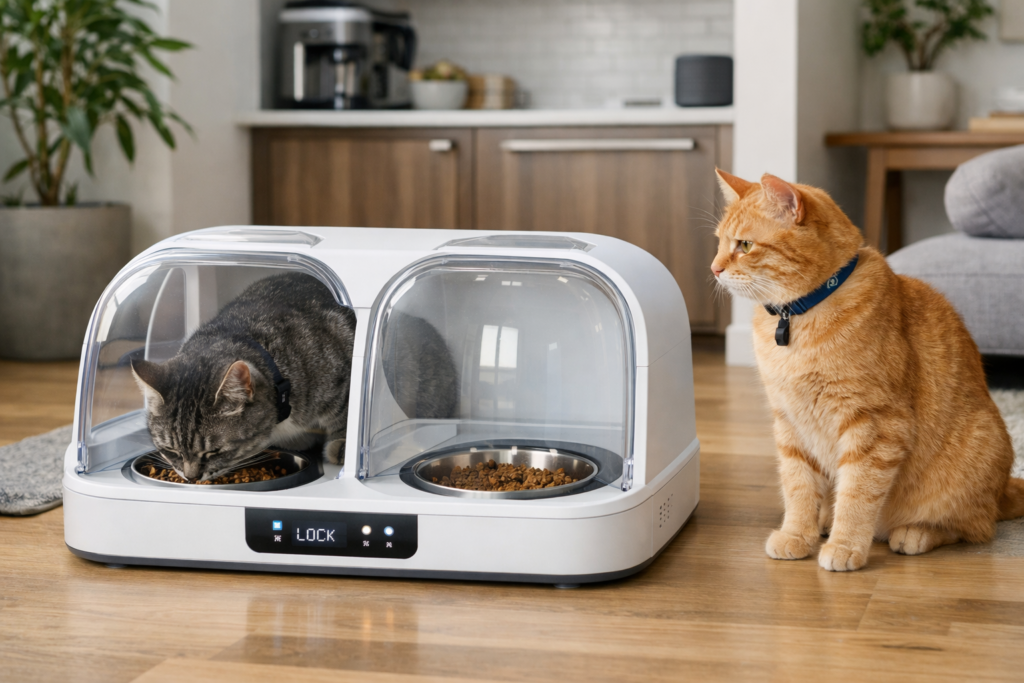
    2) Petlibro Granary Dual Automatic Feeder (with Camera)Best for multi-cat fairness

    Petlibro Granary Dual bowls with camera confirming fair portions.
    • Why it’s great for portion control: The Granary Dual adds two bowls plus a built-in camera. You can confirm each cat actually gets their portion, spot “food theft,” and refine placement. The app supports precise portion calibration, motion/sound alerts, and low-food notifications—a powerful combo for Smart Portion Control for Cats 2025 in multi-cat homes.
    • Best uses: Two-cat households where fairness and visibility matter.
    • Good to know: For timid cats, start with supervised sessions; angle the camera to see both bowls clearly.

      View Petlibro Granary Dual (Camera) on Amazon

    3) Whisker Feeder-RobotBest for set-and-forget reliability

    Feeder-Robot app showing precise increments and logs.
    • Why it’s great for portion control: Feeder-Robot dispenses in precise increments (as small as 1/8 cup) with Wi-Fi connectivity and app logging. It integrates nicely if you already use Litter-Robot, giving you a fuller health picture. For Smart Portion Control for Cats 2025, it excels at consistency: same portion, same time, without manual intervention.
    • Best uses: Owners who want robust hardware, strong scheduling, and an ecosystem that ties feeding to litter habits.
    • Good to know: Validate portion size in grams initially to match your cat’s plan.
    • CTA: View Whisker Feeder-Robot on Whisker (50$ off with code REALSIMPLE50)

    4) PETKIT SAB2BLA Fresh Metal Digital Pet BowlBest for precise weighing (budget-friendly)

    PETKIT digital pet bowl showing exact grams during serving.
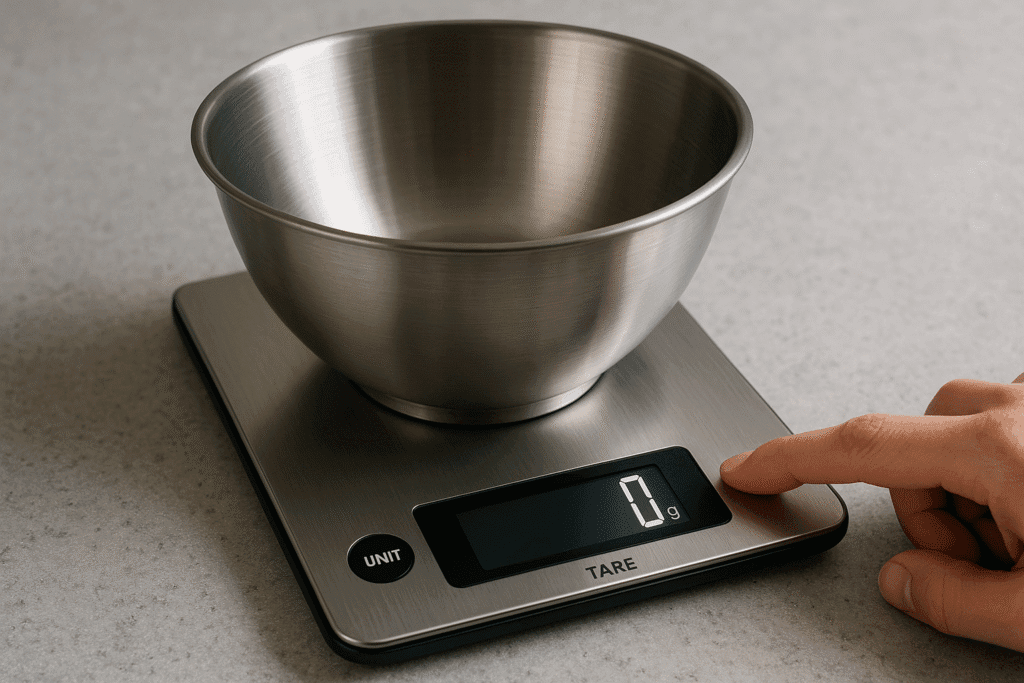
    • Why it’s great for portion control: Built-in digital scale shows the exact grams you serve, so you hit your target even with wet food or varied kibbles. This is the simplest, most reliable first step into Smart Portion Control for Cats 2025.
    • Best uses: Cats on wet food, mixed diets, weight-loss plans, or households that prefer manual plating with perfect accuracy.
    • Good to know: Tare the bowl before serving; log the weight in your app or a feeding spreadsheet.

      View PETKIT Fresh Metal Digital Bowl on Amazon

    Choosing the right setup for your cat (decision guide)

    • Single cat, full automation: PETKIT Fresh Element Infinity or Whisker Feeder-Robot.
    • Two cats, fairness & proof: Petlibro Granary Dual with Camera.
    • Wet-food focus or tight calories: PETKIT Fresh Metal Digital Bowl + manual schedule in an app.
    • Travel or sitter plan: A smart feeder + printed schedule + app access for the sitter.
    • Training or medical needs: Start with the PETKIT digital bowl to dial in grams; add a feeder once stable.

    If you’re not sure, begin with the PETKIT SAB2BLA digital bowl for a week. Nail the correct grams first, then automate with a smart feeder for routine and consistency—this two-step approach defines Smart Portion Control for Cats 2025 done right.


    Set-it-and-keep-it plan (step-by-step)

    Day 1–3: Dial in the portion

    1. Weigh your cat.
    2. Confirm daily calories with your vet; convert to grams.
    3. Use the PETKIT digital bowl to serve exact grams per meal; observe satiety and stool quality.

    Day 4–7: Automate with a feeder

    1. Program the feeder (Infinity / Feeder-Robot / Granary) with the grams and times you tested.
    2. Enable meal logs, low-food alerts, and missed-meal notifications.
    3. For two cats: place bowls apart; with Granary Dual, angle the camera to confirm fairness.

    Week 2–3: Fine-tune

    1. Adjust ±5–10% if your vet advises.
    2. Add a slow-feed insert if your cat eats too fast.
    3. Pair mealtimes with a short play session to reduce begging and midnight zoomies.

    Monthly:

    • Re-weigh your cat and review feeding logs.
    • Clean hoppers, lids, and bowls (biofilm management matters!).
    • Audit treats; many cats get 10–20% of calories from snacks—log them.

    This procedure is the practical backbone of Smart Portion Control for Cats 2025—measure, automate, review.


    Real-world troubleshooting (quick fixes)

    • My cat begs between meals. Split the same daily grams into 3–4 smaller meals; consider a low-calorie topper (vet-approved) for perceived volume.
    • My feeder dispenses unevenly. Recalibrate after switching kibble; different shapes flow differently. Keep the hopper at least 1/3 full.
    • Two cats, one steals food. Use the Granary Dual with camera, separate feeding stations, or microchip bowls for identity-based access.
    • Wet food only. Use the PETKIT digital bowl to weigh exactly, then schedule times in your phone/app; consider ice packs or short window feeding.
    • Weight isn’t changing. Confirm grams and treats; introduce 5–10 minutes of daily play; consult your vet before altering calories.

    All of these are solvable within the framework of Smart Portion Control for Cats 2025—accuracy + consistency + review.


    Health & safety notes

    • Work with your vet. Rapid weight loss can be dangerous for cats; adjust gradually.
    • Hydration counts. Wet food or fountains help appetite regulation and urinary health.
    • Hygiene matters. Clean bowls daily and feeders weekly; replace filters per instructions.
    • Stress and enrichment. Feeding puzzles and short play sessions reduce anxiety-driven overeating.

    The AVMA and Cornell Feline Health Center offer reliable guidance on feline nutrition, obesity prevention, and behavior—excellent references to bookmark.


    FAQs — Smart Portion Control for Cats 2025

    Do I really need a smart feeder if I have a scale bowl?
    Not necessarily. Many owners start with the PETKIT digital bowl to learn exact grams, then add automation later for timing and convenience.

    Can smart feeders manage wet food?
    Most are optimized for dry kibble. For wet food, weigh with the PETKIT digital bowl and serve at scheduled times you can stick to (or consider short-window timed feeders).

    How many meals per day are best?
    Two to four, depending on your cat and vet guidance. Smaller, regular meals curb gorging and begging.

    What if my cat is on a weight-loss plan?
    Use grams-only accuracy, tighter logs, and weekly weigh-ins. Adjust slowly, under veterinary supervision.


    The bottom line

    Consistency beats willpower. With Smart Portion Control for Cats 2025, you’ll move from guesswork to measured feeding, from ad hoc schedules to reliable routines, and from vague trends to actionable data. Start by nailing grams with the PETKIT digital bowl, automate with a smart feeder that fits your home, and review monthly with your vet. Your cat’s waistline—and long-term health—will thank you.

    Quick shop:


    Internal interlinks

    Authoritative references